How Often Should I Clean My Aligners?

Keeping your aligners clean is essential for maintaining oral hygiene and ensuring effective treatment. Aligners can accumulate bacteria, plaque, and stains if not cleaned properly. In this guide, we’ll explore how often you should clean your aligners and the best methods to keep them in top condition.

Why Cleaning Your Aligners is Important

Preventing Bacteria Buildup

Since aligners are worn for most of the day, they can trap bacteria and food particles, leading to bad breath and increased risk of cavities.

Avoiding Stains and Discoloration

Neglecting to clean your aligners can cause them to become cloudy, stained, or develop an unpleasant odor.

Maintaining Overall Oral Health

Dirty aligners can contribute to gum disease and tooth decay, making regular cleaning essential.

How Often Should You Clean Your Aligners?

Daily Cleaning Routine

  • Morning: Clean your aligners as soon as you wake up to remove overnight bacteria.
  • Before Bed: Clean your aligners before putting them back in for the night.
  • After Eating or Drinking: Always rinse your aligners with water before reinserting them to prevent food buildup and stains.

Deep Cleaning Recommendations

  • Every Other Day: Soak your aligners in a cleaning solution to remove deep-seated bacteria and stains.
  • Once a Week: Use a more intensive cleaning method, such as an ultrasonic cleaner or specialized tablets.

Best Methods to Clean Your Aligners

1. Brushing with a Soft-Bristle Toothbrush

Use a soft toothbrush with gentle, circular motions to clean your aligners. Avoid toothpaste, as it can be too abrasive.

2. Using a Clear Antibacterial Soap

A mild, fragrance-free antibacterial soap is a great way to clean aligners without causing damage.

3. Soaking in Denture or Retainer Cleaners

Soaking aligners in a retainer cleaner (such as Efferdent or Retainer Brite) can help keep them fresh and stain-free.

4. Hydrogen Peroxide and Water Mixture

A solution of equal parts hydrogen peroxide and water can remove bacteria and whiten aligners.

5. Baking Soda Solution

Mix one teaspoon of baking soda with water to create a natural cleaning solution.

6. Vinegar and Water Soak

A 50/50 mix of white vinegar and water can help eliminate odors and kill bacteria.

What to Avoid When Cleaning Aligners

1. Toothpaste

Toothpaste can be too abrasive, leading to scratches that trap bacteria.

2. Hot Water

Hot water can warp the plastic, causing a poor fit.

3. Colored or Scented Soaps

These can leave a residue or unwanted taste on your aligners.

10 “People Also Ask” Questions About Cleaning Aligners

1. Can I clean my aligners with mouthwash?

It’s not recommended, as some mouthwashes contain alcohol, which can damage the aligners.

2. How often should I soak my aligners?

Soaking them every other day helps remove deep-seated bacteria and stains.

3. Can I use dish soap to clean my aligners?

Yes, but choose a mild, unscented dish soap.

4. What happens if I don’t clean my aligners?

Bacteria buildup can lead to bad breath, discoloration, and increased risk of cavities.

5. Can I use hydrogen peroxide to clean my aligners?

Yes, but dilute it with water to avoid damage.

6. How do I remove stains from aligners?

Soaking in a vinegar or baking soda solution can help remove stains.

7. Can I eat with my aligners in?

No, eating with aligners can lead to staining and damage.

8. What’s the best way to store aligners when not in use?

Keep them in a protective case to prevent contamination.

9. How do I clean aligners on the go?

Use antibacterial wipes or rinse with warm water when away from home.

10. Do I need to clean my aligner case?

Yes, clean it daily to prevent bacterial buildup.

10 FAQs About Cleaning Aligners

1. How long should I soak my aligners in a cleaning solution?

Soak for 15-30 minutes to remove bacteria and stains.

2. Can I clean my aligners with baking soda every day?

Yes, but limit it to a few times a week to prevent damage.

3. Will my aligners smell if I don’t clean them?

Yes, bacteria buildup can cause bad odors.

4. Can I use a UV sanitizer for my aligners?

Yes, but ensure it’s designed for dental appliances.

5. Should I rinse my aligners after soaking?

Yes, rinse them thoroughly before putting them back in your mouth.

6. Can I use lemon juice to clean aligners?

No, lemon juice is too acidic and can damage the plastic.

7. What if my aligners turn yellow?

Soaking in a retainer cleaner can help remove discoloration.

8. Can I sleep with unclean aligners?

No, always clean them before bed to prevent bacteria buildup.

9. How do I prevent plaque buildup on my aligners?

Brush them daily and avoid sugary foods.

10. Can I clean my aligners with regular toothpaste?

No, toothpaste can scratch the aligners and make them cloudy.

Conclusion

Cleaning your aligners twice daily and soaking them every other day helps maintain their clarity, effectiveness, and hygiene. By following these cleaning guidelines, you can ensure your aligners stay fresh, clear, and odor-free throughout your treatment. If you have any concerns about your aligners, consult your orthodontist for the best cleaning advice for a Weymouth dentist near you, please visit Comfort Dental Weymouth, 47 Washington St, Weymouth, MA 02188, (781) 337-3300.

Immediate Relief For Tooth Nerve Pain

Tooth nerve pain can be excruciating and often requires immediate attention. In Weymouth, MA, there are several options for emergency dental care that can provide relief from severe toothaches and other dental emergencies. This article will guide you through the process of finding immediate relief for tooth nerve pain, exploring the available emergency dental services, and offering practical tips on managing dental emergencies.

Understanding Tooth Nerve Pain

Tooth nerve pain, often referred to as toothache, can range from mildly uncomfortable to unbearably painful. It typically occurs due to inflammation or infection of the pulp, which contains the nerves of the tooth. Common causes include deep cavities, cracked teeth, or gum disease. If you’re experiencing persistent or severe tooth pain, it’s crucial to seek urgent dental care to prevent further complications.

What Causes Tooth Nerve Pain?

Tooth nerve pain occurs when the inner pulp of the tooth, which contains nerves and blood vessels, becomes irritated or inflamed. Common causes include:

  • Tooth decay (cavities)
  • Cracked or chipped teeth
  • Gum recession exposing the tooth root
  • Dental abscess or infection
  • Recent dental work (fillings, crowns, etc.)
  • Bruxism (teeth grinding)

Symptoms of Tooth Nerve Pain

  • Sharp, shooting pain that comes and goes
  • Increased sensitivity to hot, cold, or sweet foods
  • Persistent throbbing pain
  • Swelling or redness around the affected tooth
  • Pain when biting or chewing

Immediate Home Remedies for Tooth Nerve Pain Relief

If you’re experiencing severe tooth nerve pain, try these quick pain relief methods:

1. Apply a Cold Compress

Placing an ice pack on the affected area for 15-20 minutes can reduce inflammation and numb the pain.

2. Use Clove Oil

Clove oil contains natural analgesic and antibacterial properties. Apply a small amount directly to the painful area using a cotton ball.

3. Take Over-the-Counter Pain Relievers

Medications like ibuprofen (Advil), acetaminophen (Tylenol), or aspirin can provide temporary relief from tooth pain.

4. Rinse with Warm Salt Water

A saltwater rinse can help reduce swelling, kill bacteria, and ease discomfort. Mix 1 teaspoon of salt in a glass of warm water and rinse thoroughly.

5. Try a Hydrogen Peroxide Rinse

A 3% hydrogen peroxide solution can help kill bacteria and relieve pain. Mix equal parts hydrogen peroxide and water, swish for 30 seconds, then spit it out.

6. Apply Garlic Paste

Garlic has natural antibacterial and pain-relieving properties. Crush a garlic clove and apply it to the affected tooth for quick relief.

7. Use Peppermint Tea Bags

A chilled peppermint tea bag can numb the pain and reduce inflammation. Place it on the affected area for 10-15 minutes.

8. Try a Vanilla Extract Application

Dab pure vanilla extract onto a cotton ball and apply it to the affected area. It has numbing and antibacterial properties.

9. Elevate Your Head While Sleeping

Keeping your head elevated reduces blood flow to the affected area, minimizing pain and swelling.

10. Avoid Trigger Foods and Drinks

Stay away from hot, cold, sugary, or acidic foods that can trigger nerve pain.

Emergency Dental Services in Weymouth, MA

Weymouth, MA, offers a range of emergency dental services designed to provide immediate relief for tooth nerve pain and other dental emergencies. These services include:

Emergency Dentists Open Now

If you’re searching for an emergency dentist open now near me in Weymouth, several clinics are available to assist with issues like severe tooth pain, broken teeth, or oral injuries. These dentists prioritize your comfort and health, ensuring you receive timely care.

24-Hour Emergency Dental Care

For after-hours emergencies, 24-hour emergency dental care in Weymouth, MA, is available at select clinics. This service provides peace of mind, knowing you can access urgent treatment whenever needed.

Walk-In Emergency Dental Clinics

No appointment is necessary at walk-in emergency dental clinics in Weymouth. These clinics allow you to receive immediate care for unexpected problems like chipped teeth, knocked-out teeth, or infections without scheduling in advance.

Knocked-Out Tooth

If a tooth is knocked out, act quickly. Gently place the tooth back into its socket if possible, ensuring not to touch the root. If reimplantation isn’t feasible, store the tooth in milk or saliva until you reach a dental office.

Severe Toothache

For severe toothaches, rinse your mouth with warm water and use floss to remove any debris. Apply a cold compress to reduce swelling. Avoid placing pain relievers directly on the sore area, as this can cause irritation.

When to See a Dentist for Tooth Nerve Pain

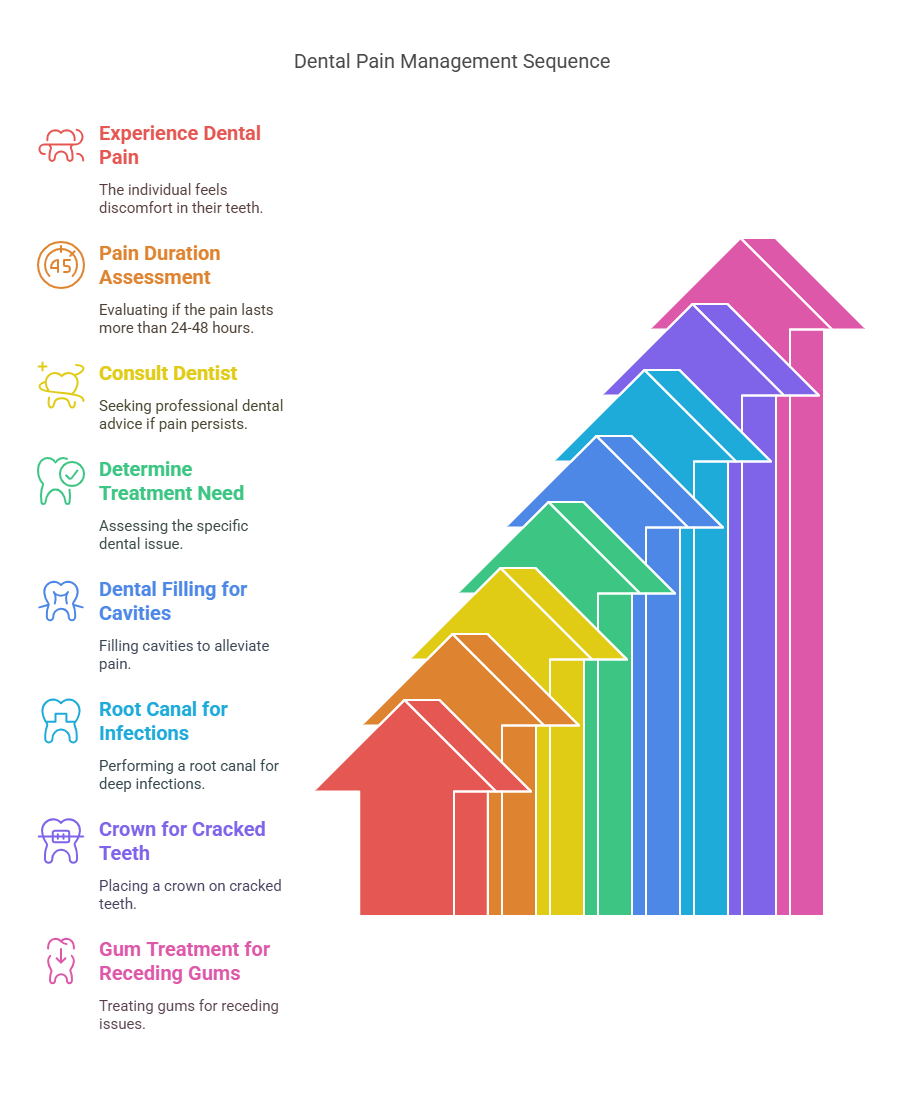
If your pain persists for more than 24-48 hours or worsens, consult a dentist immediately. You may need:

  • A dental filling for cavities
  • A root canal for deep infections
  • A crown for cracked teeth
  • Gum treatment for receding gums

Preventing Dental Emergencies

While emergencies can be unexpected, certain precautions can lower their risk:

  • Regular Dental Check-Ups: Regular visits can help detect potential problems early.

  • Proper Oral Hygiene: Brushing twice a day, flossing, and using mouthwash can prevent infections and decay.

  • Mouthguards: Wear mouthguards during sports to protect teeth from trauma.

Choosing the Right Emergency Dentist

When selecting an emergency dentist in Weymouth, MA, consider the following factors:

  • Availability: Look for clinics offering 24-hour emergency dental care or walk-in services.

  • Expertise: Ensure the dentist has experience in handling various dental emergencies.

  • Affordability: Opt for clinics offering affordable emergency dental services with flexible payment plans.

People Also Ask

  1. What causes tooth nerve pain?

    • Tooth nerve pain is typically caused by inflammation or infection of the pulp, often due to deep cavities, cracked teeth, or gum disease.

  2. How can I relieve tooth nerve pain at home?

    • While awaiting professional care, you can use over-the-counter pain relievers like ibuprofen or acetaminophen. However, avoid placing pain relievers directly on the tooth.

  3. What is the fastest way to get relief from a toothache?

    • The fastest way to get relief is to seek urgent dental care. Emergency dentists can diagnose and treat the cause of your pain.

  4. Can I use a cold compress for toothache relief?

    • Yes, applying a cold compress can help reduce swelling and ease pain.

  5. How long does it take to recover from a root canal?

    • Recovery from a root canal typically takes a few days. You may experience some sensitivity, but this should subside with time.

  6. Can I get emergency dental care without insurance?

    • Yes, many clinics in Weymouth offer emergency dental care without insurance, often with flexible payment options.

  7. What should I do if my child has a dental emergency?

    • Contact a pediatric emergency dentist for specialized care tailored to children.

  8. How much does emergency dental care cost in Weymouth?

    • Costs vary depending on the treatment needed, but many clinics strive to provide affordable options.

  9. Can I visit an emergency dentist during non-business hours?

    • Yes, some clinics in Weymouth offer 24-hour emergency dental care.

  10. How can I prevent dental emergencies?

    • Regular dental check-ups, proper oral hygiene, and wearing mouthguards during sports can help prevent dental emergencies.

FAQs

  1. What constitutes a dental emergency?

    • A dental emergency includes situations like severe tooth pain, bleeding, swelling, or a knocked-out tooth that require immediate care.

  2. Can I get emergency dental care without an appointment?

    • Yes, walk-in emergency dental clinics in Weymouth allow you to receive care without scheduling in advance.

  3. How do I know if I need a root canal?

    • A root canal is typically needed if the pulp of your tooth is severely infected. Symptoms include persistent pain and sensitivity.

  4. What should I do if I have a chipped tooth?

    • Seek emergency dental care to prevent further damage and potential infection.

  5. Can I get emergency dental care for my child?

    • Yes, pediatric emergency dentists in Weymouth specialize in treating children with dental emergencies.

  6. How long does emergency dental care take?

    • The duration depends on the treatment needed. Some procedures, like root canals, can be completed in a single visit.

  7. Do emergency dentists offer sedation options?

    • Yes, many emergency dentists in Weymouth offer sedation options to help patients relax during treatment.

  8. Can I get emergency dental care on weekends?

    • Some clinics offer weekend emergency dental care, but it’s best to call ahead to confirm availability.

  9. How can I manage tooth pain while waiting for emergency care?

    • Use over-the-counter pain relievers and apply a cold compress to reduce swelling.

  10. Are emergency dental services expensive?

    • Costs vary, but many clinics aim to provide affordable emergency dental care with payment plans available.

Conclusion

Finding immediate relief for tooth nerve pain in Weymouth, MA, is crucial to prevent further complications and ensure your oral health. By understanding the available emergency dental services and taking preventive measures, you can safeguard your teeth and maintain a healthy smile. Whether you need urgent care for a toothache or another dental emergency, Weymouth’s emergency dentists are ready to provide the care you need. Don’t wait—schedule an appointment today to find lasting relief for your tooth nerve pain! please visit Comfort Dental Weymouth, 47 Washington St, Weymouth, MA 02188, (781) 337-3300.

Will I Have Bad Breath With Invisalign?

Invisalign is a popular orthodontic treatment option for those seeking a discreet way to straighten their teeth. Unlike traditional metal braces, Invisalign uses clear plastic aligners that are custom-made to fit your teeth. While this method is known for its aesthetic advantages, many users wonder about its impact on oral hygiene, particularly whether wearing Invisalign can lead to bad breath.

In this article, we will explore the relationship between Invisalign and bad breath, providing you with actionable tips to prevent it, along with answers to common questions regarding this topic.

How Invisalign Affects Oral Hygiene

When it comes to Invisalign, maintaining good oral hygiene is essential to prevent issues like bad breath. Because Invisalign aligners are worn over your teeth for up to 22 hours a day, they can trap food particles, plaque, and bacteria in your mouth. If not cleaned properly, these trapped particles can lead to unpleasant odors, resulting in bad breath.

Why Does Bad Breath Happen with Invisalign?

Bad breath, also known as halitosis, occurs when bacteria in the mouth break down food particles or debris, releasing sulfur compounds. With Invisalign, you are more likely to experience bad breath if:

  1. The aligners are not cleaned regularly – Food particles and plaque can accumulate on the aligners, creating a breeding ground for bacteria.
  2. You don’t clean your teeth properly – Since you need to remove the aligners to eat and drink, neglecting to brush your teeth afterward can leave behind food remnants that cause bad breath.
  3. Dehydration – Invisalign can cause dry mouth if you don’t drink enough water, leading to a reduction in saliva, which plays a crucial role in washing away bacteria and food particles.
  4. Wearing aligners after consuming certain foods – If you don’t brush your teeth after eating, the food particles can get trapped between the aligners and your teeth, causing bad breath.

Tips to Prevent Bad Breath with Invisalign

If you’re concerned about having bad breath while wearing Invisalign, here are several effective strategies to help you maintain fresh breath throughout your treatment:

1. Clean Your Aligners Thoroughly

Properly cleaning your Invisalign aligners is crucial in preventing bad breath. Here’s how:

  • Use a gentle toothbrush and water – Avoid toothpaste, as it can scratch the aligners and create rough surfaces where bacteria can grow.
  • Soak your aligners – You can use Invisalign cleaning crystals or a mild cleaning solution to soak your aligners and remove any bacteria or debris.
  • Rinse after every meal – Whenever you take out your aligners to eat or drink, rinse them thoroughly before putting them back in your mouth.

2. Brush and Floss Regularly

Good oral hygiene is essential when wearing Invisalign. Brush your teeth after every meal to remove food particles, and floss at least once a day. This will prevent food from getting trapped between your teeth and aligners, reducing the risk of bad breath.

3. Drink Plenty of Water

Dehydration can lead to dry mouth, which in turn can cause bad breath. Make sure to drink plenty of water throughout the day to keep your mouth hydrated and promote saliva production. Saliva is your natural defense against bacteria buildup and bad breath.

4. Avoid Strong-Smelling Foods

While wearing your aligners, try to avoid foods that are known to cause bad breath, such as garlic, onions, and spicy foods. If you consume them, make sure to brush your teeth thoroughly before putting your aligners back in.

5. Clean Your Tongue

Your tongue can harbor bacteria that contribute to bad breath. Use a tongue scraper or your toothbrush to clean your tongue every time you brush your teeth. This will help eliminate bacteria and improve your breath.

People Also Ask (PAA) Questions

  1. Can Invisalign cause bad breath?

    • Yes, if the aligners are not cleaned properly or if you neglect to brush and floss your teeth, bad breath can occur due to trapped food particles and bacteria.
  2. How can I prevent bad breath with Invisalign?

    • Ensure you clean your aligners thoroughly, brush and floss your teeth regularly, drink plenty of water, and avoid eating strong-smelling foods.
  3. How often should I clean my Invisalign aligners?

    • It’s recommended to clean your aligners after every meal and before reinserting them into your mouth.
  4. Can wearing Invisalign lead to dry mouth?

    • Yes, wearing Invisalign can lead to dry mouth if you don’t drink enough water or if your aligners aren’t removed and cleaned regularly.
  5. Is bad breath a sign that Invisalign isn’t working?

    • No, bad breath is not an indication that Invisalign isn’t working. It’s usually a result of poor oral hygiene or improper care of the aligners.
  6. Do I need to clean my Invisalign every night?

    • Yes, cleaning your aligners every night is crucial to prevent bacteria buildup and keep them fresh.
  7. What should I do if I get bad breath while wearing Invisalign?

    • Make sure you’re following proper cleaning and oral hygiene practices. If the problem persists, consult your dentist or orthodontist.
  8. Can I eat or drink while wearing my Invisalign aligners?

    • You should remove your aligners when eating or drinking anything other than water to prevent damage and food particles from getting trapped.
  9. Will chewing gum help with bad breath while wearing Invisalign?

    • Sugar-free gum can stimulate saliva production, helping to keep your mouth fresh and prevent bad breath. However, it’s essential to remove your aligners before chewing gum.
  10. How long does bad breath last with Invisalign?

    • Bad breath can occur if proper oral hygiene isn’t maintained, but it should subside as soon as you start following the correct cleaning and hygiene routine.

Frequently Asked Questions (FAQs)

  1. Can Invisalign cause tooth decay or cavities?

    • If not cleaned properly, Invisalign can contribute to tooth decay. It’s essential to follow a good oral hygiene routine to prevent this.
  2. How long should I wear my Invisalign aligners each day?

    • You should wear your aligners for about 20-22 hours each day for optimal results.
  3. Can I drink coffee with Invisalign?

    • It’s best to remove your aligners before drinking coffee to avoid staining and bad breath. Make sure to brush your teeth afterward.
  4. Is it normal to experience a change in taste while wearing Invisalign?

    • Some people experience a slight change in taste due to the aligners, but it should return to normal after you remove them.
  5. What happens if I don’t clean my Invisalign regularly?

    • Not cleaning your Invisalign aligners can result in bacteria buildup, leading to bad breath, staining, and potential oral health issues.
  6. Can Invisalign help with gum health?

    • Yes, Invisalign can help improve gum health by straightening teeth, which can make it easier to clean your teeth and gums effectively.
  7. Can I use mouthwash with Invisalign?

    • You can use mouthwash, but be sure to remove your aligners first to avoid damaging them. Choose an alcohol-free mouthwash to prevent dryness.
  8. How do I know if my Invisalign aligners are fitting properly?

    • If your aligners feel uncomfortable or don’t fit as snugly as they should, contact your orthodontist for a checkup.
  9. Can Invisalign fix all orthodontic issues?

    • Invisalign is effective for a variety of issues, such as overcrowding, gaps, and bite problems. However, some severe cases may require traditional braces.
  10. What should I do if my Invisalign aligner gets damaged?

    • If your aligner gets cracked or damaged, contact your orthodontist immediately for a replacement.

Conclusion

Invisalign is an excellent choice for many people looking to straighten their teeth discreetly. However, it’s important to maintain proper oral hygiene to prevent issues like bad breath. By cleaning your aligners regularly, brushing and flossing your teeth, staying hydrated, and avoiding strong-smelling foods, you can keep your breath fresh throughout your treatment. If you continue to experience bad breath despite following these tips, don’t hesitate to consult your orthodontist for further advice. If you are searching dentists near Weymouth MA, please visit Comfort Dental Weymouth, 47 Washington St, Weymouth, MA 02188, (781) 337-3300.

How To Find An Emergency Dentist For A Bad Toothache

Experiencing a severe toothache can be both distressing and debilitating. Finding prompt and emergency dental care is crucial to alleviate pain and address any underlying issues. If you’re in Weymouth, MA, understanding how to locate an emergency dentist can make all the difference in your oral health and comfort.

Understanding Dental Emergencies

A dental emergency refers to any situation involving significant pain, infection, or injury to the teeth, gums, or mouth that requires immediate attention. Common dental emergencies include:

  • Severe Toothaches: Intense pain that may be constant or intermittent, often indicating infection or decay.
  • Chipped or Broken Teeth: Injuries resulting from accidents or trauma that expose sensitive tooth structures.
  • Knocked-Out Teeth: Teeth that have been dislodged due to impact, requiring swift reimplantation.
  • Abscesses: Swollen, pimple-like infections around the tooth root or gums, posing serious health risks if untreated.

Signs You Need Emergency Dental Care

Recognizing the signs of a dental emergency can help you seek timely care:

  • Persistent Pain: Ongoing tooth or gum pain that doesn’t subside with over-the-counter pain relievers.
  • Swelling: Noticeable swelling in the gums, face, or jaw, which may be accompanied by fever.
  • Bleeding: Unexplained bleeding from the gums or mouth that doesn’t stop with gentle pressure.
  • Injury: Any trauma to the mouth or teeth, including cuts, fractures, or dislodged teeth.

Steps to Find an Emergency Dentist in Weymouth, MA

When faced with a dental emergency in Weymouth, consider the following steps to find appropriate care:

  1. Assess the Severity: Determine if the situation requires immediate attention. For instance, a knocked-out tooth or severe infection necessitates prompt care.
  2. Contact Your Regular Dentist: Reach out to your usual dental provider, as many offer emergency services or can refer you to trusted colleagues.
  3. Search for Local Emergency Dentists: If your regular dentist is unavailable, look for dental practices in Weymouth that provide emergency care.
  4. Check Availability: Ensure the dental office can accommodate emergency patients, especially during evenings or weekends.
  5. Prepare Necessary Information: Have your personal details, insurance information, and a description of your symptoms ready when contacting the dental office.

Questions to Ask When Seeking Emergency Dental Care

When contacting a dental office for emergency care, consider asking:

  • Availability: “Do you have immediate appointments available for emergency dental treatment?”
  • Services Offered: “What emergency dental services do you provide?”
  • Costs and Insurance: “What are the costs associated with emergency care, and do you accept my insurance?”
  • After-Hours Care: “Do you offer after-hours or weekend emergency services?”
  • Preparation: “Is there anything I should do or bring to my emergency appointment?”

Preventive Measures to Reduce Dental Emergencies

While emergencies can’t always be prevented, certain practices can minimize risks:

  • Maintain Good Oral Hygiene: Brush and floss regularly to prevent infections and decay.
  • Wear Protective Gear: Use mouthguards during sports or activities that pose a risk to your teeth.
  • Avoid Hard Foods: Be cautious with foods that can crack or damage teeth, such as hard candies or ice.
  • Regular Dental Check-ups: Visit your dentist regularly for examinations and cleanings to catch potential issues early.

10 “People Also Ask” Questions and Answers

  1. What should I do if I have a toothache and can’t get to a dentist right away?

    • If you can’t see a dentist immediately, rinse your mouth with warm water, floss to remove debris, and take over-the-counter pain relievers. Applying a cold compress on your cheek near the painful area may help reduce swelling.
  2. How do I know if my toothache requires emergency dental care?

    • If your toothache is severe, constant, or accompanied by swelling, bleeding, or fever, you should seek emergency dental care immediately. A serious infection or injury may be at play.
  3. Can a dentist see me for a toothache on weekends in Weymouth, MA?

    • Yes, many emergency dental offices in Weymouth, MA, offer weekend hours for urgent care. Be sure to contact the practice in advance to confirm availability.
  4. What is considered a dental emergency?

    • A dental emergency includes severe tooth pain, broken or knocked-out teeth, a dental abscess (infection), excessive bleeding, or trauma to the mouth that requires immediate treatment.
  5. How do I find an emergency dentist in Weymouth, MA?

    • To find an emergency dentist in Weymouth, MA, search online for emergency dental services in the area or contact your regular dentist, who may offer after-hours care or refer you to an emergency dentist.
  6. Do emergency dentists in Weymouth accept insurance?

    • Most emergency dentists in Weymouth, MA, accept a variety of insurance plans. Be sure to confirm your insurance coverage with the office before your visit.
  7. What should I bring to my emergency dental appointment in Weymouth?

    • Bring your insurance information, identification, and a brief description of your symptoms. If you have any recent X-rays or dental records, bringing those can be helpful as well.
  8. Can I visit a general dentist for an emergency toothache in Weymouth?

    • Yes, many general dentists offer emergency services, but it’s best to check with your provider to confirm if they are available for urgent care. If not, they can often refer you to an emergency dentist.
  9. How long does it take to get an appointment with an emergency dentist in Weymouth?

    • Depending on the severity of the issue, you can often get an appointment within the same day or the next available opening. Some practices may offer same-day emergency care.
  10. What are the risks of ignoring a toothache?

    • Ignoring a toothache can lead to worsened infection, abscess formation, and potentially irreversible damage to the tooth or surrounding gums, making prompt treatment essential.

10 Frequently Asked Questions (FAQs) with Concise Answers

  1. What should I do for a bad toothache while waiting for an appointment?

    • Rinse your mouth with warm saltwater, apply a cold compress, and take over-the-counter pain medication to reduce discomfort until you can see a dentist.
  2. Can an emergency dentist fix a broken tooth right away?

    • Yes, emergency dentists can often repair broken teeth with treatments like fillings, crowns, or bonding depending on the severity.
  3. Is it possible to save a knocked-out tooth?

    • Yes, if you act quickly, a knocked-out tooth can often be saved. Keep the tooth moist (preferably in milk) and visit an emergency dentist as soon as possible for reimplantation.
  4. How do I know if my toothache is from an infection?

    • Symptoms like swelling, fever, and constant pain, especially around the root of the tooth, can indicate an infection. If you experience these symptoms, seek emergency dental care immediately.
  5. Can I get an emergency dental appointment after hours in Weymouth, MA?

    • Yes, several dental offices in Weymouth offer after-hours emergency care. Call the office to confirm their availability for urgent dental services.
  6. Are emergency dental services more expensive than regular dental visits?

    • Emergency dental services can be more expensive due to the urgent nature of the care, but the cost will vary depending on the dental practice and the type of treatment required.
  7. How can I find an emergency dentist with great reviews in Weymouth, MA?

    • Look up reviews on websites like Google, Yelp, or Healthgrades. You can also ask for recommendations from friends, family, or your regular dentist for trusted emergency dental providers.
  8. What are common causes of toothaches that require emergency dental care?

    • Common causes include cavities, tooth infections, abscesses, cracked teeth, or gum disease, all of which may require urgent treatment to prevent complications.
  9. Can a dentist treat a gum infection during an emergency appointment?

    • Yes, emergency dentists can treat gum infections by draining abscesses, prescribing antibiotics, or performing necessary procedures to address the infection.
  10. What should I do if I can’t afford emergency dental care in Weymouth?

    • Many dentists offer payment plans or financing options. Additionally, you can inquire about sliding scale fees or look into local clinics that offer affordable care for dental emergencies.

Conclusion

Experiencing a bad toothache in Weymouth, MA, requires prompt action to alleviate pain and prevent further complications. By understanding the nature of dental emergencies, recognizing the signs, and knowing how to find emergency dental care, you can ensure timely and effective treatment. Remember to maintain preventive oral health practices to reduce the likelihood of future dental emergencies. If you are searching for emergency dentist nearby in Weymouth, don’t wait—contact a trusted emergency dentist today, please visit Comfort Dental Weymouth, 47 Washington St, Weymouth, MA 02188, (781) 337-3300.

How Does Invisalign Compare To Metal Braces In Cost?

When considering orthodontic treatments, understanding the cost differences between Invisalign and traditional metal braces is crucial. Both options aim to straighten teeth and correct bite issues, but they come with varying price tags influenced by multiple factors.

Average Costs of Invisalign and Metal Braces


The cost of orthodontic treatments varies based on several factors, including the complexity of the case, geographic location, and the specific provider. Here’s a breakdown of the average costs:

  • Traditional Metal Braces: Typically range from $3,000 to $7,500.
  • Invisalign: Generally falls between $3,000 and $8,000.

These figures indicate that both treatments have overlapping price ranges, with Invisalign sometimes being slightly more expensive.

Factors Influencing the Cost

Several elements can affect the overall cost of both Invisalign and metal braces:

1. Severity of Dental Issues

More complex cases may require longer treatment times and additional appliances, increasing the cost.

2. Geographic Location

Prices can vary significantly depending on the region and the cost of living in that area.

3. Orthodontist’s Experience

Highly experienced practitioners may charge more for their services.

4. Duration of Treatment

Longer treatment plans can lead to higher costs due to more frequent visits and adjustments.

5. Insurance Coverage

Some insurance plans cover part of the cost for orthodontic treatments, but coverage can vary between Invisalign and traditional braces.

Insurance Considerations

Insurance coverage plays a significant role in determining out-of-pocket expenses. Many dental insurance plans offer partial coverage for traditional metal braces but may not cover Invisalign treatment. This discrepancy can make Invisalign a more expensive option for some patients.

Payment Options and Financing

To make orthodontic treatments more affordable, many providers offer various payment plans and financing options:

  • In-House Financing: Some orthodontists provide payment plans that allow patients to spread the cost over the duration of the treatment.
  • Third-Party Financing: Companies like CareCredit offer healthcare financing options that can be used for orthodontic treatments.
  • Flexible Spending Accounts (FSAs) or Health Savings Accounts (HSAs): These accounts allow patients to use pre-tax dollars for medical expenses, including orthodontic treatments.

Additional Costs to Consider

While the base cost of Invisalign and braces may be similar, additional expenses may influence the total cost:

  • Retainers: After treatment, both Invisalign and braces require retainers to maintain results.
  • Replacement Aligners: Invisalign users may need to pay for lost or damaged aligners.
  • Emergency Repairs: Metal braces may require additional visits for broken brackets or wires.

Pros and Cons of Invisalign vs. Metal Braces

Factor Invisalign Metal Braces
Cost $3,000 – $8,000 $3,000 – $7,500
Visibility Virtually invisible Highly visible
Comfort More comfortable Can cause discomfort
Treatment Duration Varies, often similar to braces Varies by case
Removability Removable Fixed
Maintenance Requires discipline Regular orthodontist visits

10 “People Also Ask” Questions and Answers

  1. Is Invisalign more expensive than metal braces?
    • Invisalign can be slightly more expensive, but costs vary depending on the case complexity.
  2. Does insurance cover Invisalign as well as metal braces?
    • Some insurance plans cover both, but metal braces typically have broader coverage.
  3. Why is Invisalign sometimes more expensive?
    • Invisalign’s custom-made aligners and advanced technology can make it costlier.
  4. Are metal braces more effective than Invisalign?
    • Metal braces are more effective for complex cases, but Invisalign works well for mild to moderate misalignment.
  5. Can I switch from braces to Invisalign?
    • Yes, but consult your orthodontist to determine feasibility and costs.
  6. Does Invisalign treatment take longer than metal braces?
    • Treatment time varies, but both can take 12-24 months on average.
  7. Are there additional costs with Invisalign?
    • Potential extra costs include replacement aligners and retainers.
  8. Which is better for adults: Invisalign or metal braces?
    • Invisalign is popular among adults due to its discreet appearance.
  9. Does Invisalign require fewer orthodontist visits?
    • Yes, Invisalign generally requires fewer in-office visits compared to metal braces.
  10. Can I finance Invisalign or metal braces?
    • Yes, many providers offer financing options to make payments manageable.

10 FAQs

  1. How much does Invisalign cost on average?
    • Invisalign typically costs between $3,000 and $8,000.
  2. Are metal braces cheaper than Invisalign?
    • Metal braces can be slightly cheaper, ranging from $3,000 to $7,500.
  3. Is Invisalign covered by dental insurance?
    • Some insurance plans cover Invisalign, but it’s best to check with your provider.
  4. Does Invisalign treatment hurt more than braces?
    • Invisalign is generally more comfortable than metal braces.
  5. How long does Invisalign treatment take?
    • Treatment length varies, typically between 12-24 months.
  6. Do Invisalign aligners stain easily?
    • They can stain if not cleaned properly, especially with coffee or wine.
  7. Can teenagers get Invisalign?
    • Yes, Invisalign has a specific version designed for teens.
  8. Do metal braces require more maintenance?
    • Yes, metal braces need frequent adjustments and careful cleaning.
  9. Are Invisalign aligners removable?
    • Yes, they should be removed for eating and drinking.
  10. Which treatment is faster, Invisalign or braces?
    • It depends on the case, but both treatments take a similar amount of time.

Conclusion

Both Invisalign and traditional metal braces are effective in correcting dental misalignments, and their costs are relatively comparable, typically ranging from $3,000 to $8,000. The best choice depends on individual preferences, the complexity of the dental issues, and financial considerations. Understanding your options and consulting with an orthodontist will help determine the best treatment for your needs. If you are looking for a Weymouth dentist near you, please visit Comfort Dental Weymouth, 47 Washington St, Weymouth, MA 02188, (781) 337-3300.

Emergency Dentist For Gum Infection And Bleeding

Gum infections accompanied by bleeding are serious dental emergencies that require immediate attention. If you’re in Weymouth, MA, and experiencing these symptoms, seeking prompt care from an emergency dentist is crucial to prevent further complications and ensure optimal oral health.

Understanding Gum Infections and Bleeding

Gum infections, often referred to as periodontal diseases, are infections of the tissues that surround and support your teeth. They are primarily caused by the accumulation of plaque—a sticky film of bacteria—on the teeth and gums. If not removed through regular brushing and flossing, plaque can harden into tartar, leading to inflammation and infection.

Common Symptoms:

  • Bleeding Gums: Especially during or after brushing and flossing.
  • Swollen, Red Gums: Indicating inflammation.
  • Persistent Bad Breath: Due to bacterial accumulation.
  • Receding Gums: Making teeth appear longer.
  • Loose Teeth: A sign of deteriorating support structures.

Ignoring these symptoms can lead to advanced periodontal disease, tooth loss, and even systemic health issues like heart disease and diabetes.

Causes of Gum Infections

Several factors can contribute to gum infections:

  • Poor Oral Hygiene: Inadequate brushing and flossing allow plaque buildup.
  • Smoking or Tobacco Use: Impairs gum tissue healing.
  • Hormonal Changes: Such as those during pregnancy, making gums more sensitive.
  • Medical Conditions: Like diabetes, which can reduce the body’s resistance to infection.
  • Medications: That decrease saliva flow, affecting oral health.

When to Seek Emergency Dental Care

If you experience any of the following, it’s imperative to contact an emergency dentist:

  • Severe Gum Bleeding: Not subsiding after applying gentle pressure.
  • Intense Pain: Affecting daily activities and not relieved by over-the-counter painkillers.
  • Swelling: Spreading to the face or neck.
  • Pus Formation: Indicating an abscess, a serious infection requiring immediate treatment.

Emergency Dental Services in Weymouth, MA

Weymouth, MA, offers several reputable dental clinics equipped to handle gum infections and bleeding emergencies:

1. Comfort Dental Weymouth

Comfort Dental provides fast emergency treatment for bleeding gums, ensuring patients receive prompt and professional care. Services include deep cleaning, antibiotics, and pain management.

2. Weymouth Smiles Dental

This clinic specializes in periodontal treatments and emergency care. They offer laser gum therapy and deep cleaning services to manage infections effectively.

Treatment Options for Gum Infections

Emergency dentists use various treatment methods to address gum infections, including:

1. Professional Cleaning

Scaling and root planing remove plaque and tartar buildup beneath the gum line to promote healing.

2. Antibiotic Therapy

Topical or oral antibiotics help eliminate bacterial infections and prevent further spread.

3. Pain Management

Over-the-counter pain relievers and prescription medications help reduce inflammation and discomfort.

4. Surgery (If Needed)

For severe cases, surgical interventions such as gum grafts or flap surgery may be required.

Preventing Future Gum Infections

To maintain healthy gums and prevent infections:

  • Brush twice daily with fluoride toothpaste.
  • Floss regularly to remove plaque between teeth.
  • Avoid smoking and tobacco products.
  • Eat a balanced diet rich in vitamins and minerals.
  • Schedule regular dental checkups and cleanings.

People Also Ask (PAA) Questions

1. What should I do if my gums won’t stop bleeding?

Apply gentle pressure with a clean gauze or cloth and contact an emergency dentist immediately.

2. Can a gum infection go away on its own?

No, gum infections require professional treatment to prevent complications and further damage.

3. How long does it take to treat a gum infection?

Treatment duration varies but may take a few days to several weeks, depending on severity.

4. Can I use home remedies for a gum infection?

While saltwater rinses and hydrogen peroxide may offer temporary relief, professional treatment is necessary for full recovery.

5. What antibiotics are used for gum infections?

Dentists may prescribe amoxicillin, metronidazole, or clindamycin to treat bacterial infections.

6. Is a gum infection an emergency?

Yes, untreated gum infections can lead to serious complications, including tooth loss and systemic infections.

7. Can stress cause gum infections?

Yes, stress weakens the immune system, making you more susceptible to infections, including gum disease.

8. How can I soothe swollen gums?

Rinse with warm salt water, apply a cold compress, and seek dental treatment.

9. Can I prevent gum infections with mouthwash?

Antibacterial mouthwash can help reduce plaque and bacteria, but it should be used alongside brushing and flossing.

10. What happens if a gum infection spreads?

If left untreated, a gum infection can spread to the jawbone and bloodstream, leading to severe health issues.

FAQs

1. How do I know if my gum infection is serious?

If you experience severe pain, swelling, pus, or persistent bleeding, seek emergency dental care immediately.

2. What is the fastest way to heal a gum infection?

Professional deep cleaning, antibiotics, and maintaining good oral hygiene help speed up recovery.

3. Can I go to the ER for a gum infection?

While ERs can provide pain relief and antibiotics, it’s best to visit an emergency dentist for proper treatment.

4. Will a dentist pull my tooth if I have a gum infection?

Dentists try to save the tooth first; extractions are a last resort if the infection has severely damaged the tooth and bone.

5. Can poor diet contribute to gum infections?

Yes, a lack of essential nutrients weakens gums, making them more prone to infections.

6. How often should I see a dentist to prevent gum infections?

Regular checkups every six months help prevent and detect gum issues early.

7. Can gum infections cause other health problems?

Yes, untreated gum infections can increase the risk of heart disease, diabetes, and respiratory infections.

8. Does insurance cover emergency gum infection treatment?

Many dental insurance plans cover emergency treatments, but coverage varies. Check with your provider.

9. What foods should I avoid with a gum infection?

Avoid sugary foods, acidic drinks, and hard or spicy foods that can irritate the gums.

10. Can children get gum infections?

Yes, children can develop gum infections due to poor oral hygiene, bacterial infections, or underlying medical conditions.

Conclusion

By seeking immediate care and following proper oral hygiene practices, you can effectively treat and prevent gum infections. If you’re in Weymouth, MA, and need urgent dental care, don’t hesitate to contact a trusted emergency dentist. Schedule an appointment with an emergency dentist today, please visit Comfort Dental Weymouth, 47 Washington St, Weymouth, MA 02188, (781) 337-3300.

Can Invisalign Move Molars?

Invisalign has become one of the most popular orthodontic treatments, offering patients a more comfortable and discreet way to straighten their teeth. As people seek alternatives to traditional metal braces, one common question arises: Can Invisalign move molars? While Invisalign is effective at moving teeth into proper alignment, many people wonder whether it can handle the complex movement of molars, which play a crucial role in your bite and overall oral health.

In this comprehensive guide, we’ll answer that question and explore how Invisalign works to move molars, the technology behind it, and whether it’s a viable option for molar realignment. By the end of this article, you’ll have a clearer understanding of Invisalign’s capabilities in treating molars and what to expect during your treatment.

How Invisalign Works: An Overview of the Technology

Invisalign is a modern orthodontic treatment that uses a series of custom-made, clear plastic aligners to gradually move teeth into their desired position. These aligners are designed using advanced 3D technology, allowing your orthodontist to create a treatment plan that addresses your unique dental needs.

Unlike traditional braces, which use metal brackets and wires to shift teeth, Invisalign uses a series of aligners that apply gentle pressure to your teeth, moving them incrementally over time. This means that Invisalign can be effective for both minor and more complex orthodontic issues, including molar alignment.

What are Molars?

Molars are the large teeth located at the back of your mouth, designed for grinding and crushing food. They play a vital role in your overall bite and can affect the functionality of your entire mouth. Molars are often more difficult to move compared to front teeth due to their position and size. This leads to questions about whether Invisalign aligners are capable of moving them effectively.

Can Invisalign Move Molars?

The short answer is yes, Invisalign can move molars, but there are several factors that influence its effectiveness in this regard. While molars are more challenging to move due to their size and position, Invisalign aligners can still be designed to apply targeted pressure to shift them into the proper alignment.

How Invisalign Moves Molars

Invisalign aligners work by exerting gentle, controlled pressure on your teeth. The process is designed to gradually move your teeth, including your molars, into the correct position. Here’s how Invisalign can move molars:

  1. Custom Treatment Plans: Each Invisalign aligner is custom-made based on your teeth’s current alignment. For patients with molar issues, your orthodontist will develop a plan that targets the specific movement of the molars, ensuring that the aligners work to move them effectively.

  2. Attachment Points: In some cases, your orthodontist may use small attachments (buttons) that are bonded to your teeth. These attachments give the aligners more surface area to grip, allowing for more precise movements, including the shifting of molars.

  3. Precision Mapping: Invisalign uses advanced 3D imaging technology to map the movement of each tooth, including the molars. This allows for targeted pressure that moves the molars while keeping the rest of your teeth in place.

  4. Aligners with Extra Force: For more complex movements, your orthodontist may use aligners with extra force to shift the molars. This can include the use of additional rubber bands or elastics to ensure the molars are moved into the right position.

Challenges of Moving Molars with Invisalign

While Invisalign is capable of moving molars, there are some challenges that may arise during treatment:

  1. Space Constraints: Molars are positioned further back in the mouth, which can make it more difficult to apply sufficient force to move them. The limited space around the molars can affect the aligners’ ability to fit snugly and effectively move them.

  2. Complex Bite Issues: Molars play a crucial role in your bite. If you have complex bite issues like overbites, underbites, or crossbites that involve your molars, it may require additional tools or treatment approaches to effectively correct the alignment.

  3. Treatment Time: Moving molars may take longer than moving front teeth. As molars are larger and more deeply rooted in the jaw, they may take more time to shift into the desired position, leading to a longer treatment duration.

Is Invisalign Effective for Everyone with Molar Issues?

Invisalign is a versatile treatment option that works for most patients with mild to moderate orthodontic issues. However, for more severe cases or those with significant molar movement needs, traditional braces may still be a more effective solution. It’s essential to consult with your orthodontist to determine the best course of treatment based on your specific dental needs.

Ideal Candidates for Invisalign with Molar Issues

Invisalign is effective for patients who have:

  • Slight to moderate crowding or spacing of molars
  • Mild to moderate bite issues involving the molars
  • Teeth that require minimal to moderate movement
  • Patients who are compliant with wearing their aligners for 20-22 hours per day

If your molar issues are more complex or if you have a significant bite problem, your orthodontist may suggest combining Invisalign with other treatments, such as traditional braces or other dental appliances, to achieve the best result.

Alternatives to Invisalign for Molar Movement

If Invisalign is not the right fit for you, there are other orthodontic options to move molars and address bite issues:

  1. Traditional Braces: Metal braces use brackets and wires to apply force directly to the teeth, including the molars. Traditional braces are often more effective for more complex cases and can provide more precise control over molar movement.

  2. Expanders and Appliances: In some cases, your orthodontist may use additional appliances like palate expanders or molar bands to create space for molars or improve the bite.

  3. Retainers: Once Invisalign treatment is complete, retainers are often used to ensure that molars stay in place and maintain the desired alignment.

People Also Ask

  1. Can Invisalign fix molar bite problems?

    • Yes, Invisalign can address mild to moderate molar bite issues, but more complex cases may require additional appliances or traditional braces.
  2. How does Invisalign move molars?

    • Invisalign uses clear aligners that apply gentle, controlled pressure to gradually shift molars into position, sometimes using attachments for better control.
  3. Can Invisalign move back teeth effectively?

    • Yes, Invisalign is designed to move all teeth, including molars, as long as the treatment plan is customized to address specific dental needs.
  4. How long does it take to move molars with Invisalign?

    • Moving molars with Invisalign can take longer than moving front teeth, depending on the complexity of the case. It may take several months to see significant changes.
  5. Does Invisalign work for crowded molars?

    • Invisalign can work for molars that are mildly crowded, but severe crowding may require additional tools or treatments.
  6. Can Invisalign move my molars if I have a crossbite?

    • Invisalign can address molar movement in patients with a crossbite, but more severe cases may require additional appliances.
  7. What happens if my molars don’t move with Invisalign?

    • If your molars are not moving as expected, your orthodontist may adjust your treatment plan, use attachments, or combine Invisalign with other orthodontic options.
  8. Can Invisalign move my teeth faster than traditional braces?

    • Invisalign typically works more quickly for minor movements, but for complex cases, traditional braces may provide faster results.
  9. What if my molars are too far back for Invisalign to work?

    • In cases where molars are positioned too far back or need significant movement, traditional braces may be more effective.
  10. Can Invisalign cause discomfort when moving molars?

    • Some discomfort may occur when moving molars with Invisalign, but it should be mild and temporary as your teeth adjust.

Frequently Asked Questions (FAQs)

  1. Can Invisalign fix my back teeth?

    • Yes, Invisalign can move your back teeth, including molars, but it may take longer for complex movements.
  2. How long does it take for Invisalign to move molars?

    • Moving molars can take several months, depending on the complexity of the case.
  3. Is Invisalign effective for molar crowding?

    • Invisalign can be effective for mild to moderate molar crowding, but severe cases may require other treatments.
  4. Can Invisalign move my teeth without braces?

    • Yes, Invisalign uses clear aligners to move teeth without the need for traditional braces.
  5. Will Invisalign hurt my molars?

    • Invisalign may cause mild discomfort when moving molars, but it should not cause pain.
  6. Do I need attachments for molar movement with Invisalign?

    • Attachments may be used to help move molars more effectively, depending on your treatment plan.
  7. Can Invisalign fix my bite without traditional braces?

    • Invisalign can fix mild to moderate bite issues, but severe bite problems may require additional treatments.
  8. How do Invisalign aligners move molars?

    • Invisalign aligners apply gentle pressure to molars, gradually shifting them into the desired position over time.
  9. What’s the difference between Invisalign and traditional braces for molar movement?

    • Invisalign uses clear aligners to move molars gradually, while traditional braces use metal brackets and wires that can apply more targeted pressure, often making them more effective for complex molar movements.
  10. Can Invisalign be used for large molar adjustments?

    • Invisalign is suitable for moderate adjustments to molars, but significant molar shifts or severe misalignments might require additional orthodontic treatments or the combination of Invisalign with other methods.

Conclusion

Invisalign can indeed move molars, but the extent to which they can be moved depends on your unique orthodontic needs. While Invisalign aligners are effective for mild to moderate molar movements, more complex cases may require additional treatments or the use of traditional braces. It’s essential to consult with your orthodontist to determine the most appropriate treatment plan for your dental needs.

By following your orthodontist’s recommendations and adhering to the treatment plan, you can achieve the beautiful, functional smile you’ve always wanted—whether or not your molars need to be shifted. If you are looking dentists near Weymouth MA, please visit Comfort Dental Weymouth, 47 Washington St, Weymouth, MA 02188, (781) 337-3300.
Tooth Infection Spreading To Jaw Emergency Help

A tooth infection can quickly escalate into a serious health concern if left untreated. When an infection spreads to the jaw, it can lead to severe pain, swelling, and even life-threatening complications. If you’re experiencing a worsening tooth infection in Weymouth, MA, seeking immediate emergency dental care is crucial to prevent further health risks.

Understanding Tooth Infections and Their Dangers

What Causes a Tooth Infection?

A tooth infection, or dental abscess, is a collection of pus caused by bacterial infection. Common causes include:

  • Untreated cavities
  • Gum disease (periodontitis)
  • Cracked or broken teeth
  • Poor oral hygiene
  • Previous dental procedures gone wrong

Symptoms of a Spreading Tooth Infection

If an infection is spreading beyond the tooth, you may experience:

  • Severe tooth pain that radiates to the jaw, ear, or neck
  • Swelling in the face, jaw, or neck
  • Difficulty swallowing or breathing
  • Fever and chills
  • Pus discharge from the infected area
  • Swollen lymph nodes under the jaw or in the neck

Emergency Help for a Tooth Infection Spreading to the Jaw in Weymouth, MA

If you have any of the above symptoms, you need urgent dental care. Here’s what you should do:

1. Call an Emergency Dentist in Weymouth, MA

Seek immediate professional help. Many emergency dentists in Weymouth, MA offer same-day appointments for dental infections. Delaying treatment can lead to serious health risks like sepsis or jawbone damage.

2. Visit the Emergency Room if Necessary

If you have difficulty breathing, severe swelling, or high fever, go to the nearest emergency room right away. A spreading infection can impact your airway and require hospitalization.

3. Take Prescribed Antibiotics

A dentist or doctor may prescribe antibiotics for a tooth infection to stop bacteria from spreading. However, antibiotics alone won’t cure the infection—you will still need dental treatment.

4. Undergo Emergency Dental Procedures

Depending on the severity, a dentist may recommend:

  • Drainage of the abscess to remove pus buildup
  • Root canal therapy to save the tooth
  • Tooth extraction if the infection is too severe

How to Prevent a Tooth Infection from Spreading

To avoid serious complications, follow these preventive measures:

  • Maintain good oral hygiene by brushing and flossing daily
  • Visit your dentist regularly for check-ups and cleanings
  • Treat cavities and gum disease early before they worsen
  • Avoid delaying dental treatment if you notice pain or swelling

10 “People Also Ask” Questions About Tooth Infections

1. How do I know if my tooth infection is serious?

If you experience swelling, fever, difficulty swallowing, or severe pain, seek emergency care immediately.

2. Can a tooth infection spread to the brain?

Yes, in rare cases, an untreated infection can spread to the brain, leading to life-threatening conditions like brain abscesses.

3. How long does it take for a tooth infection to spread?

It varies, but some infections can spread rapidly within a few days if left untreated.

4. Will antibiotics alone cure a tooth infection?

No, antibiotics help control the infection, but you will still need dental treatment like a root canal or extraction.

5. What happens if a tooth infection goes untreated?

It can lead to serious complications like jawbone infections (osteomyelitis), sepsis, or brain infections.

6. Can a dentist drain a tooth infection on the same day?

Yes, most emergency dentists can drain an abscess during your appointment to relieve pain and prevent spread.

7. What is the fastest way to reduce swelling from a tooth infection?

Use a cold compress, take anti-inflammatory medication, and seek immediate dental care.

8. Can a tooth infection make you feel sick?

Yes, symptoms like fever, fatigue, and nausea can occur if the infection spreads to the bloodstream.

9. Can an infected tooth be saved?

Often, yes! A root canal can remove the infection and preserve the tooth if caught early.

10. What pain relief options are available before seeing a dentist?

Over-the-counter painkillers like ibuprofen, saltwater rinses, and cold compresses can help manage pain temporarily.

10 FAQs About Tooth Infections and Emergency Care

1. How much does emergency tooth infection treatment cost in Weymouth, MA?

Costs vary but typically range from $200-$1,500, depending on treatment (root canal, extraction, etc.).

2. Does dental insurance cover emergency infections?

Most dental insurance plans cover emergency visits, antibiotics, and necessary procedures.

3. Can I go to the ER for a tooth infection?

Yes, if you have severe swelling, breathing issues, or high fever, visit an emergency room immediately.

4. How do I find an emergency dentist near me in Weymouth, MA?

Search online for “emergency dentist near me in Weymouth” or check reviews of local dental offices.

5. Is a root canal or extraction better for an infected tooth?

A root canal saves the tooth, while an extraction removes it. Your dentist will determine the best option.

6. How soon should I see a dentist for a tooth infection?

Immediately. Delaying treatment increases the risk of serious complications.

7. Can a tooth infection cause jaw pain?

Yes, as the infection spreads, it can cause significant jaw and facial pain.

8. What home remedies can I use before my emergency appointment?

Rinse with warm saltwater, use clove oil, and take pain relievers until you see a dentist.

9. Will I need surgery for a tooth infection?

In severe cases, oral surgery may be required to drain the infection or remove the affected tooth.

10. Can a tooth infection heal on its own?

No, infections require professional dental treatment to fully resolve.

Conclusion

A spreading tooth infection is a dental emergency that requires immediate treatment. If you’re experiencing severe tooth pain, swelling, or difficulty swallowing in Weymouth, MA, seek urgent dental care as soon as possible. Emergency dentists in the area are equipped to handle infections and prevent complications, ensuring your health and comfort.

Don’t wait—contact an emergency dentist today to prevent further health risks and get the relief you need, please visit Comfort Dental Weymouth, 47 Washington St, Weymouth, MA 02188, (781) 337-3300.

Can I Use Mouthwash While Wearing Invisalign?

Invisalign aligners provide a convenient and discreet way to straighten teeth, but many users wonder if they can use mouthwash while wearing them. Maintaining oral hygiene is essential during Invisalign treatment, and mouthwash plays a crucial role in keeping your mouth clean and fresh. However, not all mouthwashes are suitable for use with aligners.

Can You Use Mouthwash While Wearing Invisalign?

Yes, you can use mouthwash while undergoing Invisalign treatment, but it is not advisable to do so while wearing the aligners. Here’s why:

  • Mouthwash Can Stain Aligners – Some mouthwashes contain artificial coloring that may tint your clear aligners.
  • Alcohol-Based Mouthwashes Can Weaken Aligners – Alcohol can degrade the plastic material, making the aligners less effective.
  • Trapped Liquid Can Cause Bacteria Growth – If mouthwash remains inside the aligners, it may create a breeding ground for bacteria.

To ensure the best results, remove your Invisalign trays before using mouthwash and rinse your mouth thoroughly before reinserting them.

Best Mouthwash Options for Invisalign Users

When choosing a mouthwash during Invisalign treatment, consider the following options:

1. Alcohol-Free Mouthwash

Alcohol can dry out the mouth and damage aligners. Opt for alcohol-free versions to avoid irritation and potential aligner damage.

2. Fluoride Mouthwash

Fluoride helps strengthen enamel and prevent cavities, which is beneficial when wearing Invisalign.

3. Antibacterial Mouthwash

Antibacterial formulas help reduce plaque buildup and prevent gum disease.

4. Hydrogen Peroxide Mouthwash

These mouthwashes help whiten teeth and eliminate bacteria without harming Invisalign trays.

How to Properly Use Mouthwash with Invisalign

Follow these steps to ensure you’re using mouthwash correctly during Invisalign treatment:

  1. Remove Your Aligners – Never use mouthwash while your aligners are in place.
  2. Rinse Your Mouth for 30-60 Seconds – Swish the mouthwash thoroughly to eliminate bacteria.
  3. Spit It Out and Rinse with Water – This prevents residue from remaining on your teeth.
  4. Brush and Floss – Ensure your teeth are clean before reinserting your aligners.
  5. Clean Your Aligners Separately – Use Invisalign-approved cleaning solutions or mild soap with lukewarm water.

Mistakes to Avoid When Using Mouthwash with Invisalign

  • Using Colored Mouthwash – Can stain your aligners over time.
  • Skipping the Rinse Step – Leaving mouthwash residue can lead to irritation.
  • Using Hot Water to Clean Aligners – Can warp the plastic, making them ineffective.
  • Ignoring Regular Cleaning – Both your teeth and aligners need consistent cleaning to prevent plaque buildup.

10 “People Also Ask” Questions About Using Mouthwash with Invisalign

1. Can I use mouthwash while wearing Invisalign aligners?

It’s best to remove your aligners before using mouthwash to avoid staining and damage.

2. What happens if I accidentally use mouthwash with Invisalign on?

If it’s alcohol-free and clear, there’s no major risk, but it’s best to rinse your aligners afterward.

3. Can mouthwash damage Invisalign trays?

Alcohol-based mouthwashes can weaken and discolor aligners over time.

4. Should I use fluoride mouthwash with Invisalign?

Yes, fluoride strengthens teeth and helps prevent cavities during treatment.

5. What is the best mouthwash for Invisalign users?

Alcohol-free, fluoride, and antibacterial mouthwashes are ideal.

6. Can I soak my Invisalign aligners in mouthwash?

No, mouthwash can stain or damage aligners; use Invisalign-approved cleaning products instead.

7. How often should I use mouthwash with Invisalign?

Once or twice daily is sufficient, along with regular brushing and flossing.

8. Is hydrogen peroxide mouthwash safe for Invisalign?

Yes, it helps whiten teeth and eliminate bacteria without harming aligners.

9. Can mouthwash help prevent bad breath with Invisalign?

Yes, but maintaining overall oral hygiene is essential for fresh breath.

10. What should I do if my aligners start to smell bad?

Clean them regularly with a clear, mild soap or Invisalign cleaning crystals.

10 Frequently Asked Questions (FAQs) About Invisalign and Mouthwash

1. Do I need to use mouthwash daily while wearing Invisalign?

While not mandatory, it helps maintain oral hygiene and prevent bad breath.

2. Can I use whitening mouthwash with Invisalign?

Yes, but make sure it is clear and free of harsh chemicals.

3. Can mouthwash replace brushing with Invisalign?

No, brushing and flossing remain essential to remove food particles and plaque.

4. Will mouthwash help clean my aligners?

No, use Invisalign-approved cleaning solutions instead.

5. Can mouthwash remove stains from Invisalign trays?

No, it may cause discoloration instead. Use specialized cleaning products.

6. Should I use mouthwash before or after brushing?

It’s best to use mouthwash after brushing for maximum effectiveness.

7. Can I use essential oil mouthwashes with Invisalign?

Yes, but ensure they are alcohol-free and do not stain the aligners.

8. How do I prevent Invisalign from smelling bad?

Clean your aligners daily and rinse your mouth before reinserting them.

9. What happens if I forget to remove Invisalign before using mouthwash?

Rinse your aligners thoroughly with water to prevent potential damage.

10. Can I drink water with mouthwash while wearing Invisalign?

Plain water is safe, but mouthwash should be used separately to avoid issues.

Conclusion

Using mouthwash during Invisalign treatment is beneficial for oral health, but it should always be done after removing the aligners. Choosing the right mouthwash, following proper cleaning techniques, and maintaining good oral hygiene will ensure that your Invisalign treatment is successful and your smile stays healthy. By following these best practices, you can keep your teeth and aligners in top condition throughout your orthodontic journey. If you are searching dentists near Weymouth MA, please visit Comfort Dental Weymouth, 47 Washington St, Weymouth, MA 02188, (781) 337-3300.

Best Emergency Dentist For Infected Tooth

Dealing with an infected tooth can be painful and stressful, especially when you need immediate care. Finding the best emergency dentist for an infected tooth in Weymouth, MA is crucial for fast relief and effective treatment. This guide will help you understand the symptoms, treatment options, and how to find the right emergency dental care in your area.

Signs You Need Emergency Dental Care for an Infected Tooth

A tooth infection, also known as an abscess, requires urgent attention to prevent complications. Common signs include:

  • Severe Tooth Pain – Persistent, throbbing pain that doesn’t go away.
  • Swelling in the Face or Gums – Indicating a possible spread of infection.
  • Fever or Headache – A sign that your body is fighting an infection.
  • Bad Taste or Pus Drainage – A clear indication of a bacterial infection.
  • Difficulty Chewing or Swallowing – Infection may be affecting surrounding tissues.

If you experience any of these symptoms, seek emergency dental care immediately to prevent the infection from spreading.

Where to Find the Best Emergency Dentist for an Infected Tooth in Weymouth, MA

1. 24-Hour Emergency Dental Clinics

Some dental offices offer 24/7 emergency services for urgent cases. Call ahead to confirm availability.

2. Local Dental Offices with Same-Day Appointments

Many dentists in Weymouth, MA, provide same-day emergency appointments for tooth infections.

3. Hospital Emergency Rooms

If you have severe swelling or difficulty breathing, visit the nearest ER for immediate care before seeing a dentist.

Treatment Options for an Infected Tooth

Emergency dentists will assess the severity of your infection and recommend one of the following treatments:

1. Draining the Abscess

The dentist may drain pus from the infected area to relieve pain and pressure.

2. Root Canal Therapy

A root canal removes the infected pulp and saves the tooth from extraction.

3. Tooth Extraction

If the infection is severe, removing the tooth may be necessary to prevent further complications.

4. Antibiotic Treatment

Prescribed antibiotics can help eliminate the infection before or after a dental procedure.

How to Prevent Tooth Infections

  • Maintain Good Oral Hygiene – Brush twice a day and floss daily.
  • Visit Your Dentist Regularly – Routine checkups help detect issues early.
  • Avoid Sugary Foods and Drinks – Reduce plaque buildup that leads to decay.
  • Address Dental Pain Immediately – Don’t ignore minor toothaches, as they can develop into infections.

10 “People Also Ask” Questions About Emergency Dental Care for Infected Teeth

1. What should I do if I have a severe tooth infection?

Seek emergency dental care immediately to prevent the infection from spreading.

2. Can a tooth infection go away on its own?

No, dental infections require professional treatment to prevent complications.

3. How do I know if my tooth infection is serious?

Severe pain, swelling, fever, or pus drainage indicate a serious infection that needs urgent care.

4. How long can I wait to treat a tooth infection?

Waiting too long can lead to complications like abscess formation or systemic infections.

5. What antibiotic is best for a tooth infection?

Dentists commonly prescribe amoxicillin or clindamycin for dental infections.

6. Can an ER treat a tooth infection?

Emergency rooms can provide pain relief and antibiotics but do not perform dental procedures.

7. Is a tooth abscess a dental emergency?

Yes, abscesses require immediate treatment to prevent further health risks.

8. Can I take painkillers for a tooth infection?

Yes, over-the-counter pain relievers like ibuprofen can help until you see a dentist.

9. How much does emergency dental care cost in Weymouth, MA?

Costs vary but range from $100 for a consultation to $1,000+ for root canals or extractions.

10. Does dental insurance cover emergency treatments?

Most insurance plans cover emergency dental visits, but coverage varies.

10 Frequently Asked Questions (FAQs) About Emergency Dental Care

1. What should I do if my face is swollen from a tooth infection?

Seek immediate dental or medical attention to prevent serious complications.

2. How quickly should I see a dentist for a tooth infection?

As soon as possible—delaying treatment can lead to severe health issues.

3. Can I treat a tooth infection at home?

Home remedies can provide temporary relief, but professional treatment is necessary.

4. Will a tooth infection spread if left untreated?

Yes, it can spread to the jaw, bloodstream, and even vital organs.

5. How painful is a root canal for an infected tooth?

Modern techniques and anesthesia make root canals relatively painless.

6. Can I go to work with a tooth infection?

It’s best to seek treatment first, as infections can worsen without care.

7. How do I know if I need a tooth extraction?

Your dentist will determine if the infection is too severe to save the tooth.

8. What happens if I ignore a tooth infection?

Ignoring it can lead to abscess formation, bone loss, and serious health risks.

9. How long does it take to recover from an infected tooth treatment?

Recovery varies but typically takes a few days to a week, depending on the procedure.

10. What’s the best way to find an emergency dentist in Weymouth, MA?

Search online, check reviews, and call local dental offices for availability.

Conclusion

An infected tooth is a serious condition that requires prompt treatment. If you need the best emergency dentist for an infected tooth in Weymouth, MA, act quickly to relieve pain and prevent complications. Whether you require a root canal, antibiotics, or an extraction, seeking professional care ensures a healthier, pain-free smile. ! If you are searching for emergency dentist nearby in Weymouth, don’t wait—contact a trusted emergency dentist today, please visit Comfort Dental Weymouth, 47 Washington St, Weymouth, MA 02188, (781) 337-3300.