Does Invisalign Affect Oral Hygiene?

Invisalign has revolutionized orthodontic treatment by offering a discreet and convenient alternative to traditional braces. However, many individuals considering this treatment often ask: Does Invisalign affect oral hygiene? Understanding how Invisalign influences oral health practices is crucial for maintaining a healthy smile during and after treatment.

Understanding Invisalign and Its Impact on Oral Hygiene

Invisalign aligners are custom-made, clear plastic trays designed to fit snugly over your teeth, gradually shifting them into the desired position. While their removability offers advantages, it also introduces specific oral hygiene challenges:

  • Plaque Accumulation: The aligners cover teeth surfaces, creating an environment where plaque can accumulate if not properly managed.

  • Bacterial Growth: Food particles trapped between teeth and aligners can promote bacterial growth, leading to cavities and gum disease.

  • Bad Breath: Insufficient cleaning of aligners and teeth can result in halitosis.

Maintaining Oral Hygiene with Invisalign: Best Practices

To mitigate these risks, adhere to the following oral hygiene practices:

  1. Brush After Every Meal: Remove your aligners and brush your teeth thoroughly after eating to eliminate food particles and prevent plaque buildup.

  2. Floss Daily: Regular flossing removes debris between teeth that brushing alone may miss, reducing the risk of cavities and gum disease.

  3. Clean Your Aligners Properly: Rinse aligners with lukewarm water and use a soft toothbrush to gently clean them, avoiding harsh chemicals that could damage the material.

  4. Use Antibacterial Mouthwash: Rinsing with an antibacterial mouthwash can help eliminate bacteria and freshen breath.

  5. Avoid Eating or Drinking with Aligners On: Remove aligners before consuming food or beverages (except water) to prevent staining and damage.

  6. Stay Hydrated: Drinking water helps wash away food particles and bacteria, maintaining a moist environment that inhibits bacterial growth.

  7. Regular Dental Check-ups: Attend scheduled appointments to monitor progress and address any oral health concerns promptly.

Benefits of Invisalign for Oral Hygiene

  1. Removability: Patients can remove aligners to brush and floss, allowing for more thorough cleaning compared to navigating around fixed brackets and wires.

  2. Reduced Plaque Accumulation: The absence of brackets means fewer areas for plaque to accumulate, potentially lowering the risk of cavities and gum disease.

  3. Easier Maintenance: Aligners can be cleaned separately, ensuring that both the teeth and the aligners remain free from bacteria and food particles.

Potential Challenges and Solutions

While Invisalign offers advantages, certain challenges can arise:

  1. Aligner Hygiene: If not cleaned properly, aligners can harbor bacteria. It’s essential to rinse and brush them daily using appropriate cleaning solutions.

  2. Oral Dryness: Wearing aligners may reduce saliva flow, which is vital for neutralizing acids and cleansing the mouth. Staying hydrated and chewing sugar-free gum can stimulate saliva production.

  3. Dietary Considerations: While aligners are removable, frequent snacking without proper oral hygiene afterward can increase the risk of decay. Maintaining regular meal times and brushing before reinserting aligners is advisable.

Invisalign can positively affect oral hygiene by allowing for easier cleaning and reducing plaque accumulation. However, diligent oral care routines are essential to maximize these benefits and maintain a healthy smile throughout the treatment process.

10 “People Also Ask” Questions and Answers

  1. Can I brush my teeth with Invisalign aligners on?

    • It’s recommended to remove Invisalign aligners before brushing to ensure thorough cleaning of your teeth and the aligners separately.
  2. How often should I clean my Invisalign aligners?

    • Clean your aligners at least twice daily, preferably during your morning and evening oral hygiene routines.
  3. Can wearing Invisalign cause bad breath?

    • If aligners and teeth aren’t cleaned properly, bacteria can accumulate, leading to bad breath. Regular cleaning helps prevent this issue.
  4. Is it necessary to floss while using Invisalign?

    • Yes, flossing is crucial to remove food particles and plaque between teeth, maintaining oral health during treatment.
  5. What happens if I don’t clean my Invisalign aligners regularly?

    • Neglecting aligner hygiene can lead to bacterial buildup, bad breath, and potential oral infections.
  6. Can I use mouthwash while wearing Invisalign?

    • It’s best to remove aligners before using mouthwash to ensure effective cleaning and prevent staining of the aligners.
  7. How do I prevent staining on my Invisalign aligners?

    • Avoid consuming colored beverages like coffee or wine while wearing aligners, and clean them regularly to prevent discoloration.
  8. Can I soak my Invisalign aligners in cleaning solutions overnight?

    • Consult your orthodontist for recommended cleaning solutions and durations; some may advise against prolonged soaking.
  9. Are there special toothbrushes for cleaning Invisalign aligners?

    • Soft-bristled toothbrushes are suitable for cleaning aligners; avoid hard bristles that could scratch the material.
  10. Do I need to clean my aligners after drinking water?

    • Plain water doesn’t typically require aligner cleaning afterward, but it’s good practice to rinse them periodically.

10 Frequently Asked Questions (FAQs)

  1. How long should I wear my Invisalign aligners each day?

    • For optimal results, wear your aligners 20 to 22 hours daily.
  2. Can I eat with my Invisalign aligners on?

    • No, remove your aligners before eating to prevent damage and staining.
  3. How often will I need new aligners during treatment?

    • Typically, you’ll switch to a new set of aligners every one to two weeks, as directed by your orthodontist.
  4. Will Invisalign affect my speech?

    • Some patients experience slight lisping initially, but this usually subsides as you adjust to wearing the aligners.
  5. Can I drink hot beverages with Invisalign?

    • It’s advisable to remove aligners when consuming hot drinks to prevent warping and staining.
  6. What should I do if I lose an aligner?

    • Contact your orthodontist immediately for guidance; you may need to use a previous set or move to the next set.
  7. Are there any food restrictions with Invisalign?

    • Since aligners are removable, there are no specific food restrictions; however, maintain good oral hygiene before reinserting them.
  8. How do I store my Invisalign aligners when not in use?

    • Use the provided case to store aligners safely and prevent contamination or loss.
  1. Can I use whitening toothpaste with Invisalign?

    • Yes, but ensure the toothpaste isn’t too abrasive, as it might scratch the aligners. For better whitening results, use whitening treatments recommended by your orthodontist.
  2. How do I know if my Invisalign treatment is working?

    • Regular dental checkups, aligner fit, and gradual teeth movement are good indicators. Your orthodontist will monitor your progress during scheduled visits.

Final Thoughts

Invisalign offers a convenient and aesthetically pleasing way to straighten teeth, but maintaining good oral hygiene is essential to maximize its benefits. While the aligners make brushing and flossing easier compared to traditional braces, they require proper cleaning and care to prevent bacteria buildup and ensure overall oral health.

By following the recommended hygiene practices—brushing and flossing regularly, cleaning your aligners properly, and staying consistent with dental checkups—you can keep your smile healthy while achieving the desired results with Invisalign.

If you’re considering Invisalign or currently undergoing treatment, consult your orthodontist for personalized guidance on maintaining oral hygiene and ensuring a successful outcome. If you are looking for a Weymouth dentist near you, please visit Comfort Dental Weymouth, 47 Washington St, Weymouth, MA 02188, (781) 337-3300.

Weekend Emergency Dentist Open Saturday

Dental emergencies can occur unexpectedly, causing discomfort and anxiety. Finding a reliable weekend emergency dentist open on Saturday in Weymouth, MA, is crucial for timely and effective care. This comprehensive guide provides insights into available dental services, what to expect during a visit, and how to handle common dental emergencies.

Understanding Dental Emergencies

Dental emergencies encompass various situations that require immediate attention to alleviate pain, prevent further damage, or address infections. Common emergencies include:

  • Severe Toothache: Persistent pain indicating potential infection or decay.
  • Chipped or Broken Teeth: Resulting from trauma or biting hard objects.
  • Knocked-Out Tooth: Requires prompt action to increase chances of reattachment.
  • Lost Fillings or Crowns: Exposes sensitive areas, leading to discomfort.
  • Abscesses: Infections that can spread if untreated.

Importance of Immediate Dental Care

Addressing dental emergencies promptly is vital to:

  • Relieve Pain: Immediate treatment alleviates discomfort.
  • Prevent Infection Spread: Timely care stops infections from worsening.
  • Save Teeth: Quick action can preserve natural teeth.
  • Avoid Complications: Early intervention prevents more severe health issues.

Finding a Weekend Emergency Dentist in Weymouth, MA

Several dental practices in Weymouth, MA, offer emergency services on weekends, including Saturdays. Notable options include:

Comfort Dental Weymouth

located at 47 Washington St, Weymouth, MA 02188 , provides high-quality dental care with a focus on patient comfort and satisfaction. Offering a full range of services, including general, cosmetic, and emergency dentistry, their skilled team is dedicated to maintaining and enhancing your smile. With flexible scheduling, same-day appointments, and a friendly atmosphere, Comfort Dental Weymouth ensures a stress-free experience for patients of all ages. Whether you need a routine checkup, teeth whitening, or urgent dental care, they are committed to providing exceptional treatment tailored to your needs.

Contact Information:

  • Phone: 781-337-3300
  • Website: comfortdentalma.com

Weymouth Smiles Dental

Located at 536 Broad St STE 1, Weymouth, MA 02189, is dedicated to providing high-quality dental care in a comfortable and welcoming environment. Offering a wide range of services, including general, cosmetic, and family dentistry, their experienced team ensures personalized treatment for patients of all ages. With a focus on advanced techniques and patient satisfaction, they strive to create healthy, beautiful smiles. Convenient appointment options make it easy to maintain your oral health with expert care you can trust.

Contact Information:

  • Phone: 781-331-2442
  • Website: comfortdentalma.com

Preparing for Your Emergency Dental Visit

To ensure a smooth and efficient emergency dental visit:

  • Contact the Dental Office: Call ahead to inform them of your emergency and confirm availability.
  • Bring Necessary Documentation: Carry identification, insurance information, and a list of medications.
  • Arrive Early: Allow time for any necessary paperwork.
  • Describe Symptoms Clearly: Provide detailed information about your condition for accurate diagnosis.

Managing Dental Emergencies Before the Appointment

While awaiting professional care, you can manage discomfort and prevent further damage:

  • Toothache: Rinse with warm water and use a cold compress to reduce swelling.
  • Chipped or Broken Tooth: Save any pieces and rinse your mouth; apply gauze if there’s bleeding.
  • Knocked-Out Tooth: Keep the tooth moist by placing it in milk or a tooth preservation solution.
  • Lost Filling or Crown: Cover the exposed area with dental cement or sugarless gum.
  • Abscess: Rinse with mild salt water to alleviate pain and draw out pus.

Preventing Future Dental Emergencies

To minimize the risk of dental emergencies:

  • Maintain Regular Dental Check-Ups: Schedule routine visits for professional cleanings and examinations.
  • Practice Good Oral Hygiene: Brush twice daily and floss regularly to prevent decay and gum disease.
  • Use Protective Gear: Wear mouthguards during sports and avoid chewing hard objects.
  • Address Dental Issues Promptly: Don’t delay treatment for dental problems to prevent escalation.

10 “People Also Ask” Questions and Answers

1. What should I do if I have a dental emergency on a Saturday in Weymouth, MA?

If you experience a dental emergency on a Saturday, call a weekend emergency dentist in Weymouth, MA, immediately. Many clinics offer urgent care services and can provide same-day treatment.

2. Can I visit the ER for a dental emergency?

Emergency rooms can provide pain relief and antibiotics but typically do not perform dental procedures. It’s best to visit an emergency dentist open on Saturday in Weymouth, MA, for immediate care.

3. How do I relieve a toothache at home before seeing a dentist?

You can rinse your mouth with warm salt water, apply a cold compress to reduce swelling, and take over-the-counter pain relievers. However, you should still see a dentist as soon as possible.

4. What types of dental emergencies require immediate attention?

Severe toothaches, knocked-out teeth, abscesses, broken crowns, lost fillings, and excessive bleeding require urgent dental care.

5. How much does an emergency dental visit cost in Weymouth, MA?

Costs vary depending on the severity of the issue and the required treatment. A consultation may range from $75–$200, while extractions or root canals could cost more. Check with your chosen dental office for exact pricing.

6. Do emergency dentists in Weymouth, MA, accept insurance?

Many emergency dental clinics accept insurance. It’s best to call ahead and verify coverage with the specific provider.

7. Can I get a same-day appointment for a dental emergency?

Yes, many weekend dentists in Weymouth, MA, offer same-day appointments for urgent cases. Contact the dental office as early as possible.

8. Is a chipped tooth a dental emergency?

A small chip may not be urgent, but a large or painful break should be treated quickly to prevent further damage.

9. What should I do if my filling falls out?

If a filling falls out, avoid chewing on that side of your mouth and use temporary dental cement or sugar-free gum to cover the area until you see a dentist.

10. What happens if I ignore a dental emergency?

Ignoring a dental emergency can lead to severe infections, tooth loss, or systemic health issues. It’s essential to seek professional care as soon as possible.

10 Frequently Asked Questions (FAQs)

1. How can I find a weekend emergency dentist in Weymouth, MA?

Search online for “weekend emergency dentist open Saturday in Weymouth, MA” or call local clinics to confirm availability.

2. What are the most common reasons people need emergency dental care?

Severe pain, infections, broken teeth, lost fillings, and trauma from accidents are common reasons for emergency dental visits.

3. Can I walk into a dental office for an emergency visit?

Some offices accept walk-ins, but calling ahead ensures you receive timely care and avoid long wait times.

4. What should I bring to my emergency dental appointment?

Bring your ID, insurance card, a list of medications, and any relevant dental records if available.

5. Do emergency dentists take Medicaid in Weymouth, MA?

Some dental offices accept Medicaid for emergency treatment. Call your chosen provider to verify coverage.

6. What should I do if my child has a dental emergency on a weekend?

Contact a pediatric emergency dentist in Weymouth, MA, immediately. In the meantime, apply first aid measures such as cold compresses and pain relief.

7. How do I know if my dental issue requires emergency care?

If you have severe pain, excessive bleeding, swelling, or a knocked-out tooth, seek immediate dental care.

8. Are emergency dental procedures more expensive than regular visits?

Emergency visits may have higher costs due to urgent care needs, but prices vary based on the treatment required.

9. What payment options do emergency dentists offer?

Many emergency dentists offer payment plans, financing options, and accept major credit cards or insurance.

10. How can I prevent dental emergencies?

Maintain good oral hygiene, visit your dentist regularly, wear mouthguards during sports, and avoid chewing on hard objects.

Conclusion

Having access to a “weekend emergency dentist open Saturday in Weymouth, MA”, ensures you receive timely care when unexpected dental issues arise. Whether you’re dealing with severe pain, a knocked-out tooth, or a broken filling, knowing where to go for immediate help can prevent further complications and provide much-needed relief.

By choosing a reliable emergency dentist in Weymouth, MA, and taking proactive steps to maintain good oral health, you can minimize dental emergencies and enjoy a healthier smile. If you experience an urgent dental issue, don’t hesitate to reach out to a trusted local dental clinic for prompt and professional care. If you are searching for dentists in Weymouth MA, please visit Comfort Dental Weymouth, 47 Washington St, Weymouth, MA 02188, (781) 337-3300.

Can I Drink Alcohol With Invisalign?

Invisalign has revolutionized orthodontic treatment by offering a discreet and convenient alternative to traditional braces. However, with this convenience comes the responsibility of understanding how daily habits, such as drinking alcohol, can impact both the aligners and overall oral health. This comprehensive guide delves into the nuances of consuming alcoholic beverages during Invisalign treatment, providing insights, guidelines, and best practices to ensure optimal results.

Understanding Invisalign and Its Care Requirements

Invisalign aligners are custom-made, clear plastic trays designed to gradually shift teeth into their desired positions. Made from medical-grade thermoplastic polyurethane, these aligners are both durable and flexible. However, their clear nature makes them susceptible to staining and damage if not properly cared for. Maintaining the integrity of the aligners is crucial for effective treatment and to ensure they remain as inconspicuous as intended.

Can I Drink Alcohol with Invisalign?

The question of whether one can drink alcohol while wearing Invisalign aligners is common among patients. The straightforward answer is that it’s advisable to remove your aligners before consuming any alcoholic beverages. This practice helps prevent potential issues such as staining, warping, and oral health complications.

Potential Risks of Drinking Alcohol with Aligners In

1. Staining of Aligners

Dark-colored alcoholic beverages, like red wine or certain cocktails, can stain the clear material of Invisalign aligners, making them more noticeable. Even clear spirits can pose a risk if they contain additives or mixers with strong colors. Once stained, the aligners can detract from the aesthetic appeal of the treatment.

2. Increased Risk of Tooth Decay

Alcoholic drinks often contain high sugar content. When consumed with aligners in place, these sugars can become trapped between the aligner and teeth, creating an environment conducive to bacterial growth and, subsequently, tooth decay. This risk is exacerbated if proper oral hygiene is not maintained.

3. Warping or Damage to Aligners

Some alcoholic beverages, especially those that are hot or contain acidic components, can potentially weaken or deform the plastic material of the aligners. This warping can compromise the fit and effectiveness of the treatment.

Best Practices for Drinking Alcohol During Invisalign Treatment

To enjoy alcoholic beverages responsibly during your Invisalign journey, consider the following guidelines:

  • Remove Aligners Before Drinking: Always take out your aligners before consuming alcohol to prevent staining and sugar accumulation.

  • Choose Clear Beverages: Opt for clear spirits like vodka or gin, preferably mixed with water or soda, to minimize the risk of staining.

  • Use a Straw: Drinking through a straw can help minimize contact between the beverage and your teeth, reducing the potential for staining and decay.

  • Maintain Oral Hygiene: After drinking, rinse your mouth with water and brush your teeth before reinserting the aligners. This practice helps remove residual sugars and acids.

  • Limit Consumption Duration: Avoid sipping alcoholic beverages over extended periods, as prolonged exposure increases the risk of oral health issues.

Impact of Specific Alcoholic Beverages on Invisalign

Different alcoholic drinks can have varying effects on your aligners and oral health:

  • Red Wine: Known for its deep color, red wine can easily stain both teeth and aligners. It’s best to remove aligners before consumption and practice thorough oral hygiene afterward.

  • White Wine: While less likely to cause staining, white wine is acidic and can erode enamel if consumed excessively.

  • Beer: Beer contains sugars and acids that can contribute to tooth decay, especially if aligners trap these substances against the teeth.

  • Spirits: Clear spirits mixed with non-sugary, non-acidic mixers are preferable. However, always remove aligners before drinking.

Addressing Common Concerns

Can I Drink Alcohol with a Straw While Wearing Aligners?

Using a straw can reduce the contact of the beverage with your teeth, but it doesn’t eliminate the risks associated with drinking alcohol while wearing aligners. It’s still best to remove them before consuming any alcoholic drinks.

What If I Forget to Remove My Aligners Before Drinking?

If you accidentally consume alcohol with your aligners in, remove them as soon as possible and rinse both your mouth and the aligners thoroughly. Brush your teeth before reinserting them to minimize potential damage.

Maintaining Oral Hygiene During Invisalign Treatment

Proper oral hygiene is paramount during Invisalign treatment to ensure both the health of your teeth and the effectiveness of the aligners.

  • Regular Brushing and Flossing: Brush at least twice daily and floss once daily to remove food particles and plaque.

  • Cleaning Aligners: Clean your aligners as per your orthodontist’s recommendations, typically using a soft toothbrush and lukewarm water.

  • Routine Dental Check-ups: Attend regular dental appointments to monitor your oral health and the progress of your treatment.

Alternative Beverages Compatible with Invisalign

While water is the safest beverage to consume with aligners in place, you might wonder about other options:

  • Herbal Teas: Some herbal teas are light in color and free from sugars, making them a potential option. However, it’s still advisable to remove aligners to prevent any risk.

  • Diluted Juices: If you prefer flavored drinks, consider heavily diluting fruit juices and consuming them without the aligners in.

10 “People Also Ask” Questions and Answers

  1. Can I drink alcohol with Invisalign aligners in?
    It is not recommended to drink alcohol while wearing Invisalign aligners, as it can cause staining, sugar buildup, and potential warping of the trays.

  2. What happens if I drink beer or wine with Invisalign?
    Beer and wine contain sugars and acids that can get trapped between the aligners and teeth, increasing the risk of cavities and staining.

  3. Can alcohol damage Invisalign aligners?
    Yes, alcohol—especially acidic or colored drinks—can stain or weaken the aligners, affecting their transparency and effectiveness.

  4. Do I need to brush my teeth after drinking alcohol before putting Invisalign back in?
    Yes, brushing your teeth after consuming alcohol helps prevent sugar and acid buildup, reducing the risk of decay.

  5. Can I drink alcohol through a straw with Invisalign?
    While using a straw can limit contact with your teeth, it does not completely eliminate the risks of staining and decay. It is still best to remove the aligners before drinking.

  6. What alcoholic drinks are safest with Invisalign?
    Clear spirits mixed with water or sugar-free soda are less likely to stain teeth, but aligners should still be removed before drinking.

  7. Can alcohol cause bad breath while wearing Invisalign?
    Yes, alcohol can lead to dry mouth and bacteria buildup, which may cause bad breath if aligners trap food particles and sugars.

  8. How long after drinking alcohol can I put Invisalign back in?
    You should rinse your mouth with water, brush your teeth, and clean your aligners before reinserting them after drinking alcohol.

  9. What should I do if I accidentally drink alcohol with my aligners in?
    Remove the aligners as soon as possible, rinse them with water, and clean your teeth before putting them back in.

  10. Can I drink non-alcoholic beer or wine with Invisalign?
    While non-alcoholic options may have fewer risks, they still contain sugars and acids that can affect your aligners and teeth. Removal before drinking is recommended.

10 Frequently Asked Questions (FAQs) About Drinking Alcohol with Invisalign

  1. Is it okay to drink alcohol every night while wearing Invisalign?
    Frequent alcohol consumption with Invisalign increases the risk of cavities and staining. Always remove aligners before drinking.

  2. Can I drink alcohol if I rinse my mouth after?
    Rinsing helps but does not fully remove sugar and acid. Brushing and flossing are recommended before reinserting aligners.

  3. Does alcohol slow down Invisalign treatment?
    If you do not properly clean your teeth after drinking, cavities or gum issues could lead to delays in treatment.

  4. Are there any alcohol-free drinks safe to consume with Invisalign?
    Water is the safest option. Herbal tea and sugar-free beverages can be consumed, but aligners should still be removed.

  5. Can alcohol cause Invisalign trays to smell?
    Yes, alcohol can contribute to bacteria buildup, leading to unpleasant odors in your aligners. Regular cleaning is necessary.

  6. What is the best way to clean Invisalign after drinking alcohol?
    Rinse with lukewarm water, brush gently with a soft toothbrush, and use Invisalign cleaning crystals if needed.

  7. Can I drink champagne or sparkling wine with Invisalign?
    No, champagne and sparkling wine contain sugar and acid, which can harm your teeth if consumed with aligners in.

  8. Does whiskey or vodka stain Invisalign?
    Clear spirits like vodka and whiskey are less likely to stain but should still be consumed without aligners in place.

  9. Can alcohol affect my gums during Invisalign treatment?
    Yes, alcohol can cause dry mouth, irritation, and inflammation, which may negatively impact gum health.

  10. Should I remove Invisalign every time I have a drink?
    Yes, it is best to remove aligners before drinking anything other than water to maintain their clarity and effectiveness.

Conclusion

Enjoying a drink doesn’t have to interfere with your Invisalign treatment, provided you take the necessary precautions. By removing your aligners before consuming alcoholic beverages, choosing drinks wisely, and maintaining diligent oral hygiene practices, you can ensure that your journey to a perfect smile remains on track. If you are searching dentists near Weymouth MA, please visit Comfort Dental Weymouth, 47 Washington St, Weymouth, MA 02188, (781) 337-3300.

Emergency root canal treatment near me

Experiencing severe tooth pain can be alarming, especially when it strikes unexpectedly. In such cases, an emergency root canal treatment may be necessary to alleviate pain and preserve the affected tooth. For residents of Weymouth, MA, understanding the procedure, recognizing the signs that necessitate it, and knowing where to seek prompt care are crucial. This comprehensive guide delves into all aspects of emergency root canal treatments, ensuring you’re well-informed and prepared.

Understanding Root Canal Treatment

What Is a Root Canal?

A root canal, also known as endodontic therapy, is a dental procedure designed to treat infection or damage within a tooth’s pulp—the innermost part containing nerves and blood vessels. The process involves:

  • Diagnosis and X-rays: Evaluating the tooth and taking X-rays to assess damage.

  • Anesthesia: Administering local anesthesia to ensure patient comfort.

  • Pulp Removal: Creating a small access hole to remove the infected pulp.

  • Cleaning and Shaping: Cleaning, shaping, and disinfecting the tooth’s interior.

  • Filling: Filling the cleaned canal with gutta-percha, a biocompatible material.

  • Sealing: Sealing the tooth to prevent re-infection.

This procedure effectively renders the tooth “dead,” eliminating pain while preserving its structure and function.

Why Might You Need a Root Canal?

Several conditions can lead to the necessity for a root canal, including:

  • Deep Decay: Untreated cavities that reach the pulp.

  • Repeated Dental Procedures: Multiple treatments on a tooth can irritate the pulp.

  • Cracks or Chips: Physical damage exposing the pulp to bacteria.

  • Trauma: Injury to a tooth, even without visible cracks, can damage the pulp.

Recognizing the signs early can lead to prompt treatment, preserving the natural tooth and preventing further complications.

Recognizing the Signs of a Dental Emergency

Understanding when a dental issue requires immediate attention is vital. Common indicators include:

  • Severe Tooth Pain: Persistent and intense pain disrupting daily activities.

  • Swelling: Noticeable swelling in the gums or face, indicating possible infection.

  • Pus Discharge: Presence of pus around the tooth suggests an acute infection.

  • Sensitivity: Extreme sensitivity to hot or cold, especially if it lingers after the stimulus is removed.

If you experience any of these symptoms, seeking emergency dental care is crucial to prevent further complications.

The Importance of Immediate Treatment

Delaying treatment for an infected or damaged tooth can lead to:

  • Increased Pain: The infection can worsen, intensifying discomfort.

  • Spread of Infection: Bacteria can spread to surrounding tissues, leading to more severe health issues.

  • Tooth Loss: The affected tooth may become unsalvageable, necessitating extraction.

Prompt intervention through a root canal can alleviate pain, eliminate infection, and preserve your natural tooth.

Finding Emergency Root Canal Treatment in Weymouth, MA

When seeking emergency dental care in Weymouth, MA, consider the following reputable practices:

Comfort Dental Weymouth

Address: 47 Washington Street, Weymouth, MA 02188

Contact: 781-337-3300

Services: Offers root canal therapy, emergency dental care, cosmetic dentistry, and more.

Overview: Comfort Dental Weymouth provides emergency root canal therapy to alleviate pain and preserve natural teeth, ensuring patients receive prompt and compassionate care.

Weymouth Smiles Dental

Address: 536 Broad St STE 1, Weymouth, MA 02189

Contact: 781-331-2442

Services: Provides general dentistry, cosmetic treatments, family dental care, and restorative procedures.

Overview: Weymouth Smiles Dental is committed to delivering high-quality dental care in a comfortable and welcoming setting. Their experienced team offers personalized treatment plans, including cosmetic enhancements and restorative solutions, to help patients achieve and maintain a healthy smile.

Preparing for Your Emergency Dental Visit

To ensure a smooth and efficient emergency dental visit:

  • Contact the Dental Office: Call ahead to inform them of your emergency and expected arrival.
  • Describe Your Symptoms Clearly: Provide details about your pain level, duration, and any other symptoms.
  • Bring Identification and Insurance Information: Have your ID, insurance card, and any relevant dental records.
  • Follow Pre-Visit Instructions: Some clinics may provide guidelines, such as avoiding food or drink before the procedure.
  • Arrange Transportation if Necessary: If sedation is involved, you may need someone to drive you home.

What to Expect During an Emergency Root Canal

If you’re facing an emergency root canal, understanding the process can ease anxiety. Here’s what you can expect:

Step 1: Examination and Diagnosis

Your dentist will conduct an examination and take X-rays to assess the extent of infection or damage.

Step 2: Local Anesthesia

A numbing agent will be applied to ensure a painless experience.

Step 3: Pulp Removal and Cleaning

The dentist will drill a small hole in the tooth to access and remove infected pulp. The canal is then thoroughly cleaned and disinfected.

Step 4: Filling the Canal

The empty canal is filled with gutta-percha, a material that seals the space to prevent reinfection.

Step 5: Sealing and Restoration

A temporary or permanent filling is placed, and in some cases, a dental crown is recommended to strengthen the tooth.

Recovery and Aftercare

Proper aftercare ensures smooth healing and prevents complications.

  • Pain Management: Mild discomfort can be managed with over-the-counter pain relievers like ibuprofen.
  • Avoid Hard or Sticky Foods: Stick to soft foods until the treated tooth has fully healed.
  • Maintain Oral Hygiene: Continue brushing and flossing gently to prevent further infections.
  • Follow-Up Appointment: Attend any scheduled visits to ensure proper healing and restoration.

10 “People Also Ask” Questions and Answers

1. How urgent is an emergency root canal?

If you have severe pain, swelling, or an abscess, you should seek immediate dental care to prevent complications.

2. Can a root canal be done in one visit?

Yes, some root canals can be completed in a single visit, but complex cases may require two appointments.

3. How long does an emergency root canal take?

The procedure typically takes 60–90 minutes, depending on the complexity.

4. What happens if you delay a root canal?

Delaying treatment can lead to severe infection, abscess formation, and even tooth loss.

5. Is a root canal painful?

With modern techniques and anesthesia, root canals are no more painful than getting a regular filling.

6. How much does an emergency root canal cost in Weymouth, MA?

The cost ranges from $700 to $1,500, depending on the tooth and complexity. Dental insurance may cover part of the expense.

7. Will I need a crown after a root canal?

In most cases, a crown is recommended to restore the tooth’s strength and function.

8. Can I go to work after a root canal?

Most people can return to work the same day, but it’s best to rest if you received sedation.

9. How do I know if my root canal failed?

Persistent pain, swelling, or sensitivity after a few weeks may indicate treatment failure, requiring further evaluation.

10. What alternatives exist to a root canal?

The main alternative is tooth extraction, followed by options like dental implants or bridges.

10 Frequently Asked Questions (FAQs)

1. How do I find an emergency dentist in Weymouth, MA?

Search online, check reviews, and call local dental offices that offer emergency services.

2. Are emergency root canals covered by insurance?

Most dental insurance plans cover a portion of the cost, but coverage varies.

3. How do I relieve root canal pain before my appointment?

Take over-the-counter painkillers, use a cold compress, and avoid chewing on the affected tooth.

4. Can a root canal infection spread to other teeth?

Yes, untreated infections can spread to nearby teeth, gums, and even the jawbone.

5. How soon should I get a root canal after a diagnosis?

It’s best to get treatment as soon as possible to avoid complications.

6. What’s the success rate of root canals?

Root canals have a success rate of over 95% when properly performed and maintained.

7. Can I eat after a root canal?

Wait until the anesthesia wears off, then stick to soft foods initially.

8. Do emergency dentists perform root canals after hours?

Some emergency dental clinics offer 24/7 services or extended hours for urgent cases.

9. How do I know if I need a root canal or just a filling?

Severe pain, prolonged sensitivity, and abscesses usually indicate the need for a root canal rather than a simple filling.

10. What should I do if my temporary filling falls out?

Contact your dentist immediately to get it replaced and prevent reinfection.

Conclusion

Emergency root canal treatment is essential for relieving pain and saving your natural tooth. If you’re experiencing severe tooth pain or signs of infection, don’t delay—seek professional dental care in Weymouth, MA. With prompt treatment, you can preserve your smile and prevent future complications. If you are looking for a Weymouth dentist near you, please visit Comfort Dental Weymouth, 47 Washington St, Weymouth, MA 02188, (781) 337-3300.

How Do I Know If Invisalign Is Working?

Invisalign has revolutionized orthodontic treatment by offering a discreet and comfortable alternative to traditional braces. As you embark on your journey to a straighter smile, it’s natural to wonder, “How do I know if Invisalign is working?” This comprehensive guide will help you understand the signs of effective treatment, address common concerns, and provide actionable tips to ensure optimal results.

Understanding Invisalign Treatment

Invisalign utilizes a series of custom-made, clear aligners to gradually shift your teeth into the desired position. Each set of aligners is typically worn for one to two weeks before progressing to the next set. The success of the treatment heavily relies on patient compliance and the precise design of the aligners.

Signs Your Invisalign Is Working

Proper Aligner Fit

A well-fitting aligner should snugly cover your teeth without significant gaps or movement. Proper tracking indicates that your teeth are moving as planned. If you notice that your aligners are loose or there are visible gaps between the aligner and your teeth, it may suggest that the treatment is not progressing correctly.

Regular Dental Check-Ups

Consistent appointments with your orthodontist are crucial. During these visits, your dentist will assess your progress, make necessary adjustments, and ensure that your treatment is on track. Regular check-ups also allow for early detection of any issues that could impede your progress.

Visible Teeth Movement

Over time, you should observe noticeable changes in the alignment of your teeth. Taking periodic photographs can help you track these changes. If gaps are closing or overcrowding is reducing, it’s a positive indication that Invisalign is working effectively.

Consistent Aligner Wear

For optimal results, it’s recommended to wear your aligners for 20 to 22 hours daily. Removing them only during meals and oral hygiene routines ensures that your teeth receive consistent pressure, facilitating effective movement.

Experiencing Mild Discomfort

Experiencing slight discomfort or pressure, especially when switching to a new set of aligners, is normal. This sensation indicates that your teeth are moving into their new positions. However, if the pain is severe or persistent, consult your orthodontist.

Common Issues and Solutions

Aligner Tracking Problems

If your aligners aren’t fitting properly, it may indicate tracking issues. Common signs include aligners being loose on the back teeth or not fitting one tooth correctly. To address this:

  • Consult Your Orthodontist: They can assess the fit and make necessary adjustments.

  • Use Chewies: These are small, chewable tools that help seat your aligners properly.

Delayed Progress

Several factors can contribute to slower-than-expected progress:

  • Inconsistent Aligner Wear: Not wearing aligners for the recommended duration can hinder progress.

  • Complex Dental Issues: Some cases may require more time due to the complexity of tooth movements.

  • Biological Response: Individual variations in biological response can affect the rate of tooth movement.

Maximizing Your Invisalign Results

Maintaining Oral Hygiene

Keeping your teeth and aligners clean is essential to prevent complications. Brush your teeth after meals and clean your aligners regularly to maintain good oral health.

Using Chewies

Chewies are small, cylindrical tools made of a soft material that you can chew on to help seat your aligners properly. Using them for a few minutes each day ensures that your aligners fit snugly against your teeth, promoting effective movement.

Monitoring Progress at Home

Taking regular photos of your teeth can help you visually track your progress. Comparing these images over time can provide motivation and reassurance that your treatment is working.

People Also Ask (Continued)

  1. Why do my aligners feel tight when I switch to a new set?

    Tightness is normal when switching to a new set of aligners. It indicates that the aligners are actively shifting your teeth into the desired position. The discomfort usually subsides within a few days.

  2. Can Invisalign treatment be faster than traditional braces?

    In many cases, Invisalign can be faster, especially for mild to moderate alignment issues. However, severe cases may require a similar or extended duration compared to traditional braces.

  3. What happens if I don’t wear my aligners for a few days?

    Skipping wear time can delay progress and cause discomfort when reinserting the aligners. If you miss wearing them for an extended period, consult your orthodontist for guidance.

  4. How do I clean my Invisalign aligners properly?

    Clean your aligners with a soft-bristled toothbrush, mild soap, and lukewarm water. Avoid hot water, as it can warp the aligners. You can also use Invisalign cleaning crystals or retainer cleaning tablets.

  5. Why do my aligners have small bumps on them?

    These bumps, known as attachments, help guide teeth into their proper positions. They are strategically placed by your orthodontist to enhance aligner grip and movement efficiency.

  6. Can I drink coffee or tea with Invisalign?

    It’s best to remove your aligners before consuming coffee, tea, or any staining beverages to prevent discoloration. Always rinse your mouth and clean your aligners before reinserting them.

  7. How often should I visit my orthodontist during Invisalign treatment?

    Most patients have check-ups every 6 to 8 weeks to monitor progress. Your orthodontist may adjust this frequency based on your specific treatment needs.

  8. What if my teeth stop moving with Invisalign?

    If your teeth aren’t moving as expected, your orthodontist may revise your treatment plan. This could involve refinements, additional aligners, or attachments to improve tracking.

Frequently Asked Questions (FAQs)

1. How do I know if Invisalign is working?

Signs of progress include aligners fitting snugly, teeth visibly shifting, and consistent mild pressure when wearing new trays. Regular dental check-ups also confirm treatment effectiveness.

2. How soon will I see results from Invisalign?

Some patients notice changes in as little as 4 to 6 weeks. Significant improvements generally become visible after 3 to 6 months, depending on the severity of alignment issues.

3. Why do my aligners feel loose?

Aligners may feel slightly loose toward the end of a wear cycle, indicating that your teeth have moved according to plan. If they feel loose early in the cycle, consult your orthodontist.

4. Can I speed up Invisalign treatment?

Yes, by wearing your aligners for 22 hours per day, using chewies for better fit, and following your orthodontist’s recommendations, you can help keep your treatment on track.

5. What should I do if my aligners aren’t tracking correctly?

If aligners don’t fit properly, try using Invisalign chewies to seat them better. If the issue persists, schedule an appointment with your orthodontist to assess the problem.

6. Is it normal for my teeth to feel loose during Invisalign treatment?

Yes, teeth may feel slightly loose as they shift into new positions. This is a normal part of the movement process and stabilizes once treatment is complete.

7. Can I use whitening toothpaste with Invisalign?

While whitening toothpaste can be used, it may not be as effective during treatment since aligners cover the teeth. Professional whitening is best done after completing Invisalign.

8. Do I need to wear a retainer after Invisalign?

Yes, wearing a retainer after treatment is crucial to maintaining your results. Your orthodontist will recommend a retention plan based on your needs.

9. Can Invisalign fix severe orthodontic issues?

Invisalign can correct many alignment issues, but severe cases may require additional treatments like braces or attachments. Your orthodontist will determine the best approach for your case.

10. What should I do if I lose an Invisalign aligner?

If you lose an aligner, contact your orthodontist immediately. You may need to wear the previous set or move on to the next aligner depending on your progress.

Conclusion

Invisalign is an effective orthodontic solution for many patients seeking a discreet way to straighten their teeth. By ensuring proper wear, tracking progress, and consulting your orthodontist regularly, you can achieve the best results. If you ever have concerns about your treatment’s progress, don’t hesitate to reach out to your dental professional for guidance.

By following these tips and staying committed to the process, you’ll soon enjoy the benefits of a beautifully aligned smile!  If you are searching for Weymouth dentists near me, please visit Comfort Dental Weymouth, 47 Washington St, Weymouth, MA 02188, (781) 337-3300.

Affordable Emergency Dentist With Payment Plans

Dental emergencies can happen at any time, and the last thing you want to worry about is how to afford urgent treatment. If you’re searching for an affordable emergency dentist with payment plans in Weymouth, MA, you’re in the right place. This guide will help you understand your options for immediate dental care without financial stress.

Why You Might Need an Emergency Dentist

Dental emergencies can range from sudden tooth pain to a knocked-out tooth. Common reasons to seek urgent dental care include:

  • Severe toothaches or abscesses
  • Broken, chipped, or knocked-out teeth
  • Lost fillings or crowns
  • Gum infections or swelling
  • Jaw pain or injury

How to Find an Affordable Emergency Dentist in Weymouth, MA

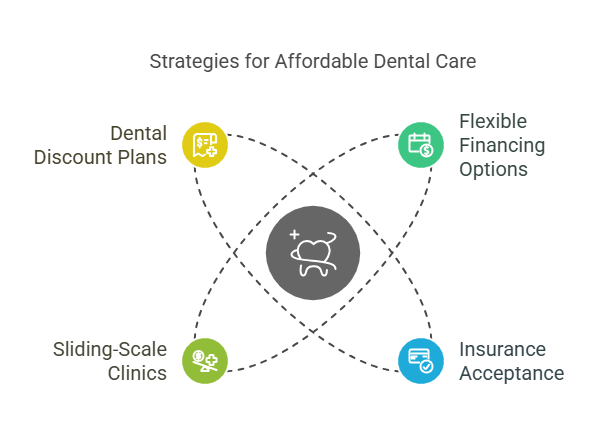
1. Look for Clinics Offering Payment Plans

Many dental offices in Weymouth provide flexible financing options. Payment plans help spread out the cost of treatment over time, making emergency care more accessible.

2. Check for Dentists Who Accept Insurance

If you have dental insurance, ensure the emergency dentist accepts your plan. This can significantly reduce out-of-pocket costs.

3. Seek Out Low-Cost or Sliding-Scale Clinics

Some community dental clinics offer services on a sliding-scale basis, meaning costs are adjusted based on your income.

4. Consider Dental Discount Plans

Unlike insurance, dental discount plans provide reduced rates on procedures for an annual membership fee. Many emergency dentists participate in these programs.

Payment Plan Options for Emergency Dental Care

1. In-House Payment Plans

Many dental clinics offer in-house financing, allowing patients to make monthly payments rather than paying the full amount upfront.

2. CareCredit and Third-Party Financing

CareCredit is a popular option for medical and dental expenses, offering interest-free financing for qualifying patients.

3. Dental Savings Plans

These plans require an annual fee but provide discounted rates on various procedures.

4. Medicaid and State Assistance Programs

MassHealth (Massachusetts Medicaid) may cover emergency dental services for eligible residents.

People Also Ask: Common Questions About Emergency Dental Care in Weymouth, MA

  1. How do I know if I need an emergency dentist? If you’re experiencing severe pain, bleeding, or swelling, you should seek immediate dental care.
  2. How much does an emergency dentist visit cost in Weymouth? Costs vary depending on the procedure, but expect anywhere from $100 to $1,500.
  3. Do emergency dentists in Weymouth, MA offer payment plans? Yes, many offer flexible financing and in-house payment plans.
  4. Can I go to the ER for a dental emergency? ERs can provide pain relief but usually do not perform dental procedures. It’s best to see an emergency dentist.
  5. What should I do if I break a tooth? Rinse your mouth, save any broken pieces, and seek immediate dental care.
  6. Can I get emergency dental care without insurance? Yes, many clinics offer payment plans or low-cost services.
  7. Are same-day emergency dentists available in Weymouth? Some clinics offer same-day appointments for urgent cases.
  8. Does MassHealth cover emergency dental services? Yes, for qualifying individuals.
  9. What should I do if I have a dental infection? Seek immediate treatment, as infections can spread quickly.
  10. Where can I find a 24-hour emergency dentist in Weymouth, MA? Some clinics offer extended hours, but calling ahead is recommended.

FAQs About Emergency Dental Care in Weymouth, MA

  1. What qualifies as a dental emergency? A dental emergency includes severe tooth pain, abscesses, knocked-out teeth, infections, or uncontrolled bleeding.
  2. How soon should I see a dentist for an emergency? Ideally, visit an emergency dentist within hours to prevent complications.
  3. Can I get emergency dental care without an appointment? Some clinics accept walk-ins, but calling ahead is recommended.
  4. Will a payment plan cover all emergency treatments? Coverage varies by clinic; confirm which procedures are eligible for financing.
  5. What if I can’t afford emergency dental treatment? Look for dentists offering sliding-scale fees, payment plans, or financial assistance.
  6. How do I prevent dental emergencies? Maintain good oral hygiene, avoid chewing hard objects, and wear a mouthguard during sports.
  7. Can I get antibiotics for a dental infection without seeing a dentist? No, a dentist must evaluate your condition before prescribing antibiotics.
  8. Are root canals considered emergency dental procedures? Yes, if a tooth infection or decay causes severe pain, a root canal may be necessary.
  9. What should I do if my dental crown falls off? Keep the crown safe and visit a dentist as soon as possible for reattachment.
  10. Can I use dental insurance for emergency care? Many insurance plans cover emergency treatments, but coverage varies—check with your provider.

Conclusion

Finding an affordable emergency dentist with payment plans in Weymouth, MA is possible with the right resources. Whether you need immediate care for a toothache or a knocked-out tooth, several financing options can help you manage costs. Don’t delay treatment—reach out to a local emergency dentist today! If you are looking for emergency dentists near me in Weymouth and South Shore MA are, please visit Comfort Dental Weymouth, 47 Washington St, Weymouth, MA 02188, (781) 337-3300.

Can I Kiss With Invisalign?

Invisalign has revolutionized orthodontic treatment, offering a discreet and comfortable alternative to traditional braces. But many users wonder: Can I kiss with Invisalign? Whether you’re in a new relationship or maintaining an existing one, understanding how Invisalign affects kissing and intimacy can help you feel more confident.

Understanding Invisalign and Its Fit

Invisalign consists of clear, custom-fit aligners designed to gradually shift teeth into proper alignment. These aligners fit snugly over your teeth, meaning they shouldn’t move or slip when engaging in activities like kissing. However, new users might worry about how the aligners feel and whether they will affect their kissing experience.

Is Kissing with Invisalign Noticeable?

No, most partners won’t notice that you’re wearing aligners while kissing. Since Invisalign trays are smooth and thin, they don’t create any significant interference. However, proper care and confidence can make the experience seamless.

How to Kiss Comfortably with Invisalign

1. Keep Your Aligners Clean

Bad breath or plaque buildup can make kissing unpleasant. To ensure fresh breath and a clean mouth:

  • Brush and floss regularly
  • Rinse your aligners frequently
  • Avoid foods that cause bad breath before intimate moments

2. Be Confident and Relax

If you’re self-conscious, you may tense up, making the kiss feel awkward. Relax, and remember that Invisalign is barely noticeable.

3. Avoid Excess Saliva Buildup

In the first few weeks of wearing Invisalign, your mouth may produce extra saliva. Swallow regularly before kissing to prevent any excess saliva from becoming a distraction.

4. Choose When to Remove Them

While Invisalign is designed to be worn 20–22 hours per day, you can remove them briefly if you prefer a completely natural kissing experience during intimate moments.

Common Concerns About Kissing with Invisalign

Will My Aligners Get in the Way?

Not at all! Invisalign aligners fit snugly over your teeth, ensuring they don’t shift or cause discomfort during kissing.

Will My Partner Feel My Aligners?

Most partners will not notice them at all. The smooth plastic surface of Invisalign trays is designed to be as unobtrusive as possible.

Can Invisalign Make Kissing Uncomfortable?

At first, it might feel a little different, especially if you’re adjusting to wearing the aligners. But after a few days, you’ll likely forget you even have them on.

People Also Ask About Kissing with Invisalign

  1. Can you kiss with Invisalign in? Yes! The aligners fit snugly and won’t interfere with kissing.
  2. Does kissing feel different with Invisalign? Initially, it might feel slightly different, but most people adjust quickly.
  3. Should I take Invisalign out before kissing? You don’t have to, but you can remove them for special moments.
  4. Will my partner know I have Invisalign when kissing? Most partners won’t notice, as the aligners are thin and smooth.
  5. Can Invisalign cause bad breath? Poor hygiene can cause bad breath, so clean your aligners regularly.
  6. How do I freshen my breath while wearing Invisalign? Brush, floss, and rinse your aligners daily to keep your breath fresh.
  7. Does wearing Invisalign affect oral sensitivity? No, it does not impact oral sensitivity or the way you feel a kiss.
  8. Can kissing cause my aligners to shift? No, Invisalign aligners are designed to stay firmly in place.
  9. Will my lips feel different when kissing with Invisalign? Your lips might feel slightly fuller, but the difference is minimal.
  10. Can Invisalign cause irritation while kissing? If your aligners have sharp edges, ask your orthodontist to smooth them.

FAQs About Kissing and Invisalign

  1. Is it okay to kiss someone while wearing Invisalign? Yes, it’s perfectly fine and should not interfere with intimacy.
  2. Can I remove Invisalign before a date? You can remove them briefly, but remember to wear them for at least 20 hours a day.
  3. How can I make kissing feel natural with Invisalign? Relax, keep your aligners clean, and be confident in your smile.
  4. Does Invisalign make my mouth feel different while kissing? Initially, you might notice a difference, but you’ll quickly adapt.
  5. Can my partner feel Invisalign when kissing? Most likely not, as they fit tightly and have a smooth texture.
  6. Will kissing damage my Invisalign trays? No, kissing will not harm your aligners or affect their function.
  7. Can Invisalign cause lip discomfort while kissing? If your lips feel irritated, use lip balm to keep them smooth.
  8. How do I maintain fresh breath for kissing with Invisalign? Regular brushing, flossing, and aligner cleaning will prevent bad breath.
  9. Do Invisalign attachments affect kissing? Attachments are small but generally don’t interfere with kissing.
  10. Is it better to remove Invisalign before intimate moments? It’s a personal choice, but keeping them in is perfectly fine.

Conclusion

Yes, you can kiss with Invisalign! The aligners are designed for comfort and discretion, meaning they won’t interfere with intimacy. Keeping your aligners clean, staying confident, and making small adjustments can help ensure that kissing remains enjoyable and natural while undergoing orthodontic treatment. With proper care, you can maintain both your love life and your journey to a perfect smile! If you are searching dentists near Weymouth MA, please visit Comfort Dental Weymouth, 47 Washington St, Weymouth, MA 02188, (781) 337-3300.

Same-Day Emergency Dental Care Near Me

Dental emergencies can occur unexpectedly, causing significant discomfort and anxiety. In such situations, accessing prompt and reliable dental care is crucial. If you’re in Weymouth, MA, and require same-day emergency dental services, this guide provides essential information to help you navigate your options effectively.

Understanding Dental Emergencies

A dental emergency involves sudden issues requiring immediate attention to alleviate pain, prevent further damage, or address infections. Common dental emergencies include:

  • Severe Toothaches: Intense, persistent tooth pain that may indicate infection or decay.
  • Chipped or Broken Teeth: Teeth damaged due to trauma or biting hard objects.
  • Knocked-Out Teeth: Teeth dislodged from their sockets due to accidents.
  • Lost Fillings or Crowns: Restorations that have fallen out, exposing sensitive areas.
  • Abscesses: Infections causing swelling, pain, and potential systemic issues.

Immediate Steps to Take During a Dental Emergency

In the event of a dental emergency:

  1. Stay Calm: Maintain composure to assess the situation effectively.
  2. Contact an Emergency Dentist: Reach out to a local emergency dental clinic for guidance and to schedule an immediate appointment.
  3. Manage Pain and Swelling: Use over-the-counter pain relievers and apply cold compresses to reduce discomfort and swelling.
  4. Preserve Any Dislodged Teeth or Fragments: Keep knocked-out teeth moist by placing them in milk or a saline solution until you reach the dentist.

Finding Same-Day Emergency Dental Care in Weymouth, MA

Weymouth offers several dental clinics equipped to handle emergencies promptly. Here are some options:

Comfort Dental Weymouth

  • Location: 47 Washington St (Front Street), Weymouth, MA 02188
  • Services: Treatment for swelling, pain, and knocked-out teeth with same-day appointments

Weymouth Smiles Dental

  • Location: 536 Broad St STE 1, Weymouth, MA 02189
  • Services: General and cosmetic dentistry with same-day appointments available for emergencies.

What to Expect During an Emergency Dental Visit

During your emergency dental appointment, the dentist will:

  • Conduct a Thorough Examination: Assess the affected area to determine the cause and extent of the issue.
  • Perform Necessary Diagnostics: Utilize X-rays or other imaging techniques to gain detailed insights.
  • Provide Immediate Relief: Address pain and stabilize the condition to prevent further complications.
  • Discuss Treatment Options: Explain the necessary procedures, potential outcomes, and associated costs.
  • Develop a Follow-Up Plan: Schedule additional appointments if required for complete resolution.

Preventing Dental Emergencies

While not all emergencies are avoidable, you can reduce the risk by:

  • Maintaining Regular Dental Check-Ups: Routine visits help identify and address potential issues early.
  • Practicing Good Oral Hygiene: Brushing and flossing daily to prevent decay and gum disease.
  • Wearing Protective Gear: Using mouthguards during sports or when engaging in activities with injury risks.
  • Avoiding Harmful Habits: Not using teeth as tools to open packages or biting on hard objects like ice.

People Also Ask About Same-Day Emergency Dental Care in Weymouth, MA

  1. What qualifies as a dental emergency? Any situation involving severe pain, bleeding, infection, or trauma to the teeth and gums requiring immediate attention.
  2. Can I go to the emergency room for a dental issue? Emergency rooms can provide temporary relief but may not have dental specialists. It’s best to consult an emergency dentist for definitive care.
  3. How quickly should I see a dentist after a tooth is knocked out? Ideally, within 30 minutes. Immediate action increases the chances of successful re-implantation.
  4. Are same-day dental appointments more expensive? Costs vary by clinic and the nature of the emergency. It’s advisable to inquire about fees when scheduling the appointment.
  5. Do emergency dentists accept insurance? Many do, but it’s essential to confirm with the specific clinic regarding accepted insurance plans.
  6. What if I can’t afford emergency dental care? Some clinics offer payment plans or sliding scale fees. Discuss financial concerns with the dental office beforehand.
  7. Can I prevent dental emergencies? Regular dental check-ups, good oral hygiene, and protective measures during physical activities can reduce risks.
  8. Is a lost filling a dental emergency? Yes, as it exposes the tooth to potential damage and infection. Seek prompt dental care.
  9. What should I do if I have a severe toothache? Rinse your mouth, floss to remove debris, and apply a cold compress. Contact an emergency dentist as soon as possible.
  10. Are emergency dental services available after hours in Weymouth, MA? Some clinics offer extended hours or on-call services. It’s best to check with individual dental offices for availability.

Frequently Asked Questions (FAQs)

  1. How can I book a same-day emergency dental appointment? Call the nearest emergency dental clinic as soon as possible to check availability and schedule an appointment.
  2. What should I bring to my emergency dental visit? Bring identification, dental insurance details, any relevant medical records, and a list of current medications.
  3. Can I get antibiotics for a dental infection without seeing a dentist? No, antibiotics should only be prescribed by a dentist after an in-person evaluation to determine the best course of treatment.
  4. How long does an emergency dental procedure take? The duration varies based on the issue, but most emergency treatments range from 30 minutes to an hour.
  5. What if my emergency happens at night or on the weekend? Some dental offices provide after-hours or weekend emergency services—check with local clinics for their availability.
  6. Will an emergency dentist extract a tooth on the same day? If necessary, an emergency dentist may perform an extraction immediately to relieve pain and prevent further complications.
  7. Are payment plans available for emergency dental care? Many dental offices offer financing options or payment plans to help manage emergency treatment costs.
  8. Can a cracked tooth be fixed in one visit? Minor cracks can often be treated in one visit, but severe fractures may require multiple appointments.
  9. What if I have a dental emergency while traveling in Weymouth, MA? Locate a nearby emergency dentist online or call a local dental office for urgent care assistance.
  10. What is the fastest way to relieve a toothache before seeing a dentist? Rinse with warm salt water, take over-the-counter pain relievers, and apply a cold compress to reduce pain and swelling.

Conclusion

Same-day emergency dental care in Weymouth, MA, is accessible and essential for anyone experiencing urgent dental issues. By understanding common dental emergencies, taking immediate action, and knowing where to seek help, you can effectively manage dental crises and protect your oral health. For the best care, contact a local emergency dental provider as soon as a problem arises. If you are looking for Weymouth dentists, please visit Comfort Dental Weymouth, 47 Washington St, Weymouth, MA 02188, (781) 337-3300.

Do Aligners Break Easily?

Clear aligners have revolutionized orthodontic treatment, offering a discreet and comfortable alternative to traditional braces. However, a common concern among users is their durability: Do aligners break easily? Understanding the resilience of aligners, factors contributing to potential breakage, and maintenance tips can help users navigate their orthodontic journey with confidence.

Understanding Clear Aligners

Clear aligners are custom-made, transparent trays designed to gradually shift teeth into their desired positions. Made from medical-grade thermoplastic materials, they are favored for their aesthetic appeal and the convenience of being removable. Brands like Invisalign, Spark, SureSmile, and Angel Aligner utilize proprietary plastics, each offering varying degrees of clarity, flexibility, and durability.

Factors Influencing Aligner Durability

While aligners are engineered for strength, several factors can influence their susceptibility to damage:

  1. Material Composition: The type of plastic used affects an aligner’s strength. For instance, Spark Aligners are made from Spark Clear Material, known for its high clarity and strength.

  2. Thickness of Aligners: Aligners typically range from 0.5mm to 1.5mm in thickness. Thinner aligners may be more comfortable but can be more prone to breakage.

  3. Improper Handling: Incorrect insertion or removal techniques can introduce stress points, leading to cracks or splits, especially near the canines.

  4. Eating or Drinking with Aligners: Consuming food or non-water beverages while wearing aligners can cause damage or discoloration.

  5. Inadequate Storage: Not storing aligners in their protective case increases the risk of physical damage, such as stepping on or dropping them.

Common Causes of Aligner Breakage

Understanding the typical reasons aligners break can help in preventing such occurrences:

  • Accidental Biting: Chewing on aligners or using them to bite objects can lead to cracks and fractures. Aligners are not designed to withstand chewing forces.

  • Poor Storage Habits: Failing to store aligners in their protective case increases the risk of physical damage, such as stepping on or dropping them.

  • Extended Wear Beyond Recommended Time: Wearing an aligner longer than prescribed can cause wear and tear, making it more prone to damage.

Preventive Measures to Enhance Aligner Longevity

To minimize the risk of breakage:

  • Proper Insertion and Removal: Follow the recommended techniques to avoid unnecessary stress on the aligners.

  • Avoid Eating or Drinking (Except Water) with Aligners: This practice prevents potential damage and staining.

  • Consistent Storage: Always place aligners in their protective case when not in use to safeguard against accidental damage.

  • Regular Cleaning: Gently brush aligners with a soft toothbrush and mild soap, avoiding abrasive materials that could weaken them.

Steps to Take if an Aligner Breaks

In the event of a broken aligner:

  1. Assess the Damage: Examine the aligner closely to determine the extent of the damage. Look for cracks, bends, or areas that feel rough.

  2. Contact Your Orthodontist: Inform your orthodontist as soon as possible. Depending on the severity of the damage, they may advise you to continue wearing the aligner until a replacement arrives, provide a new aligner, or adjust your treatment plan temporarily.

  3. Use Previous or Next Aligner: If advised by your orthodontist, temporarily revert to the previous set or advance to the next set to maintain progress.

  4. Monitor Fit and Comfort: Ensure the interim aligner fits well and does not cause discomfort or impede treatment.

People Also Ask

1. Do aligners break easily with normal use?

No, aligners are made from durable medical-grade plastic designed to withstand normal wear. However, improper handling, biting, or extended use beyond the recommended period can cause breakage.

2. Why do aligners crack near the canines?

Aligners often crack near the canines because this area experiences the most pressure during insertion and removal. Using the correct technique can help reduce stress on this part of the aligner.

3. Can eating with aligners cause them to break?

Yes, eating with aligners on can put excessive pressure on them, leading to cracks or warping. It is always recommended to remove aligners before eating or drinking anything other than water.

4. How can I prevent my aligners from breaking?

To prevent aligners from breaking, follow these best practices:

  • Use proper removal and insertion techniques.
  • Store them in their protective case when not in use.
  • Avoid eating or drinking (except water) while wearing them.
  • Handle them gently to avoid unnecessary stress.

5. What should I do if my aligner cracks but still fits?

If your aligner has a small crack but still fits snugly, contact your orthodontist. They may advise you to continue wearing it temporarily or provide a replacement.

6. Can a broken aligner affect my treatment?

Yes, a broken aligner can impact your treatment progress by not applying the correct pressure on your teeth. It is best to replace a damaged aligner as soon as possible to stay on track.

7. Are some brands of aligners more durable than others?

Yes, different brands use different plastic formulations. Some aligners, like Invisalign, use patented SmartTrack material, which is known for its durability and flexibility. However, all aligners can break if mishandled.

8. How long should an aligner last before breaking?

Aligners are designed to last for their recommended wear time, typically one to two weeks per set. If they break sooner, improper handling or other factors may be the cause.

9. Can I repair a broken aligner at home?

No, attempting to repair an aligner at home using glue or other adhesives can be harmful and may alter the fit, affecting your treatment. Always consult your orthodontist for a replacement.

10. Will insurance cover a replacement if my aligner breaks?

Some dental insurance plans cover replacement aligners, while others do not. It’s best to check with your provider or orthodontist to understand your coverage options.

Frequently Asked Questions (FAQs)

1. Do aligners break easily?
Aligners are made from durable medical-grade plastic, but they can break if mishandled, worn improperly, or exposed to excessive force.

2. What are the most common reasons aligners break?
Aligners typically break due to improper removal, biting down on them, extended use beyond the recommended wear time, or inadequate storage.

3. How can I prevent my aligners from cracking?
Handle them with care, use proper insertion/removal techniques, avoid eating or drinking with them on, and store them in their case when not in use.

4. What should I do if my aligner has a small crack?
Contact your orthodontist immediately. They may advise you to continue wearing it or provide a replacement, depending on the severity of the crack.

5. Can I super glue a broken aligner?
No, using adhesives like super glue can be toxic and may alter the fit of the aligner, affecting your treatment. Always get a professional replacement.

6. How long do aligners typically last before they break?
Aligners are designed to last for their recommended wear time (1-2 weeks per set). However, improper use can cause premature breakage.

7. Does Invisalign break more often than other brands?
Most leading aligner brands use high-quality materials, but breakage risk depends more on user habits than brand differences.

8. Can I still wear an aligner if a piece breaks off?
If a small piece breaks but the aligner still fits snugly, your orthodontist may advise you to continue wearing it temporarily. However, sharp edges or poor fit may require immediate replacement.

9. Are thicker aligners stronger and less likely to break?
Thicker aligners may be more resistant to breakage, but they can also be less comfortable. Most brands balance thickness with durability and flexibility.

10. Will insurance cover replacement aligners if mine break?
Some insurance plans cover replacement aligners, while others do not. Check with your provider or orthodontist to understand your coverage options.

Conclusion

While clear aligners are designed for durability, improper handling or habits can lead to breakage. Understanding how to care for your aligners, recognizing signs of damage, and taking immediate action when necessary will ensure a smooth and effective treatment journey. By following best practices and consulting your orthodontist whenever issues arise, you can maintain your aligners’ integrity and achieve optimal results. If you are searching for dentists in Weymouth MA, please visit Comfort Dental Weymouth, 47 Washington St, Weymouth, MA 02188, (781) 337-3300.
Walk-in emergency dentist open now

Experiencing a dental emergency can be both painful and stressful, especially when immediate care is required. For residents and visitors in Weymouth, MA, finding a walk-in emergency dentist open now is crucial to address urgent dental issues promptly. This comprehensive guide provides information on available emergency dental services, what constitutes a dental emergency, and how to prepare for unexpected dental situations.

Understanding Dental Emergencies

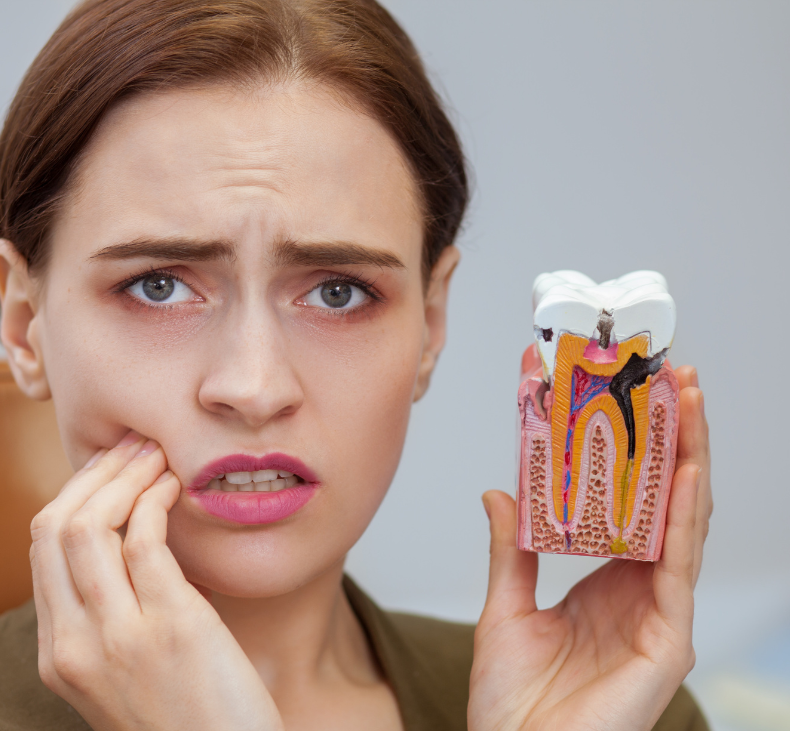
A dental emergency involves situations that require immediate attention to alleviate severe pain, stop ongoing tissue bleeding, or save a tooth. Common dental emergencies include:

  • Severe Toothache: Intense, persistent tooth pain that hinders daily activities.
  • Knocked-Out Tooth: A tooth that has been completely dislodged from its socket.
  • Chipped or Broken Tooth: A fractured tooth causing pain or sharp edges that can injure soft tissues.
  • Lost Filling or Crown: A missing restoration exposing the tooth to potential damage or infection.
  • Abscess or Infection: A localized infection that can lead to serious complications if untreated.

Emergency Dental Services in Weymouth, MA

Several dental practices in Weymouth offer emergency services to address urgent dental needs:

  1. Comfort Dental Weymouth

    Located at 47 Washington St, Weymouth, MA 02188 (781-337-3300), offers top-quality dental care with a commitment to patient comfort and personalized treatment. Whether you need general, cosmetic, or emergency dental services, their skilled team provides expert care in a friendly and welcoming environment. With convenient hours, including evening and Saturday appointments, they make it easy to fit dental visits into your busy schedule. Book your appointment today and find them easily on Google Maps: https://goo.gl/maps/sjh9XkZ4a85RrZPL7.

  2. Weymouth Smiles Dental

    located at 536 Broad St STE 1, Weymouth, MA 02189 (781-331-2442), offers comprehensive dental care with a focus on patient comfort and satisfaction. Their experienced team provides a wide range of services, including general, cosmetic, and restorative dentistry, ensuring patients receive the highest quality care. Whether you need routine checkups, teeth whitening, or emergency dental services, Weymouth Smiles Dental is dedicated to meeting your needs in a welcoming environment. Find them easily on Google Maps: https://goo.gl/maps/SVjFCsEAb2MsMwSC8.

What to Expect During an Emergency Dental Visit

During an emergency dental visit, the dentist will:

  • Assess the Situation: Conduct a thorough examination to determine the cause of the problem.
  • Provide Immediate Relief: Administer necessary treatments to alleviate pain and address the immediate concern.
  • Develop a Treatment Plan: Outline any additional procedures or follow-up appointments required to ensure complete recovery.

Immediate Steps to Take During a Dental Emergency

  1. Stay Calm: Keeping a clear head helps in managing the situation effectively.
  2. Contact an Emergency Dentist: Reach out to a local emergency dental clinic to seek immediate care.
  3. Manage Pain: Use over-the-counter pain relievers and apply a cold compress to reduce swelling.
  4. Preserve the Tooth: For knocked-out teeth, keep them moist by placing them in milk or a saline solution until you reach the dentist.

Factors to Consider When Choosing an Emergency Dentist

When selecting an emergency dentist, consider the following:

  • Availability: Ensure the dentist offers walk-in or same-day appointments.
  • Location: Choose a clinic that is easily accessible from your location.
  • Services Offered: Verify that the clinic can handle your specific emergency.
  • Insurance and Payment Options: Confirm that the clinic accepts your insurance or offers flexible payment plans.

Preventing Dental Emergencies

While not all dental emergencies can be prevented, maintaining good oral hygiene and regular dental check-ups can reduce the risk. Additionally:

  • Wear Protective Gear: Use mouthguards during sports activities.
  • Avoid Hard Foods: Steer clear of chewing ice or hard candies that can crack teeth.
  • Address Dental Issues Promptly: Don’t ignore minor dental problems that could escalate into emergencies.

10 “People Also Ask” Questions and Answers

1. What should I do if I have a dental emergency in Weymouth, MA?

If you have a dental emergency, call a local emergency dentist immediately. If they are unavailable, visit the nearest urgent care or emergency room for temporary relief.

2. Are there any 24-hour emergency dentists in Weymouth, MA?

While there may not be 24-hour dental offices, some clinics offer extended hours or emergency services. Always call ahead to check availability.

3. Can I walk into an emergency dental clinic without an appointment?

Yes, many dental offices accept walk-ins for emergencies. However, calling ahead can reduce wait times and ensure prompt treatment.

4. What types of dental emergencies require immediate attention?

Severe toothaches, knocked-out teeth, broken or cracked teeth, abscesses, and lost fillings or crowns are common dental emergencies that need urgent care.

5. How can I relieve dental pain before seeing a dentist?

Over-the-counter pain relievers, a cold compress, and rinsing with warm salt water can help manage pain until you see a dentist.

6. Will insurance cover emergency dental treatment?

Many dental insurance plans cover emergency treatments, but coverage depends on your specific plan. Contact your provider to confirm.

7. What should I do if my tooth gets knocked out?

Keep the tooth moist by placing it in milk or saline solution and seek emergency dental care immediately. The sooner you see a dentist, the better the chances of saving the tooth.

8. How much does an emergency dental visit cost in Weymouth, MA?

Costs vary depending on the treatment required, but an emergency dental exam typically ranges from $100 to $300. Additional procedures may increase costs.

9. Can I get emergency dental care without insurance?

Yes, many clinics offer flexible payment options, financing plans, or discounts for uninsured patients. Contact the dental office for details.

10. What are the signs of a dental infection that needs urgent care?

Symptoms include severe tooth pain, swelling, fever, pus discharge, and a foul taste in the mouth. Seek immediate dental attention to prevent complications.

10 Frequently Asked Questions (FAQs) with Concise Answers

1. How do I find a walk-in emergency dentist open now in Weymouth, MA?

Search online or call local dental offices to check their availability. Many offer same-day emergency appointments.

2. What qualifies as a dental emergency?

Any severe pain, trauma, infection, or bleeding that requires immediate care is considered a dental emergency.

3. How soon should I see a dentist for a broken tooth?

Visit a dentist as soon as possible to prevent further damage or infection. If the break is severe, seek immediate emergency care.

4. What should I do if my filling or crown falls out?

Use temporary dental cement or toothpaste to place it back in position and avoid chewing on that side until you see a dentist.

5. Can an emergency dentist pull a tooth on the same day?

Yes, if extraction is necessary, an emergency dentist can perform the procedure the same day.

6. What should I do if I have swelling in my gums or face?

Swelling can indicate an infection. Use a cold compress and seek emergency dental care immediately.

7. Can I go to the ER for a dental emergency?

Emergency rooms can provide pain relief and antibiotics but usually do not perform dental procedures. It’s best to see a dentist.

8. How do I prevent dental emergencies?

Maintain good oral hygiene, wear mouthguards during sports, avoid chewing hard objects, and visit your dentist regularly.

9. Do emergency dentists accept Medicaid or payment plans?

Many emergency dentists accept Medicaid and offer flexible payment plans. Contact the clinic to confirm their policies.

10. How can I schedule an emergency dental appointment quickly?

Call an emergency dental office directly or use online scheduling tools to book the earliest available appointment.

Conclusion

Dental emergencies require immediate attention to prevent further complications and alleviate pain. Weymouth, MA, offers several walk-in emergency dental clinics ready to provide prompt and effective care. By understanding what constitutes a dental emergency and knowing where to seek help, you can ensure that you receive the necessary treatment when unexpected dental issues arise. If you are looking for Weymouth dentists, please visit Comfort Dental Weymouth, 47 Washington St, Weymouth, MA 02188, (781) 337-3300.