Preventing the Need for a Root Canal

While root canals are highly effective, prevention is always better than cure. Here are some key tips to help you avoid needing a root canal in the first place:
Practice Excellent Oral Hygiene
-
Brush twice daily with fluoride toothpaste.
-
Floss daily to remove debris between teeth.
-
Use an antibacterial mouthwash to reduce plaque.
Regular Dental Visits
Wear a Mouthguard
Address Dental Issues Promptly
Why Choose Root Canal Therapy in Weymouth, MA?

Weymouth residents benefit from cutting-edge dental care provided by local professionals using modern techniques, digital X-rays, and patient-focused treatment planning. Here’s why patients in the area trust their smiles to local dentists:
-
Minimally invasive techniques
-
High success rates
-
Advanced imaging and diagnostic tools
-
Sedation options for nervous patients
-
Flexible payment and insurance plans
Weymouth’s dental practices combine expertise, compassion, and technology, making root canal therapy a safe, comfortable, and successful experience.
People Also Ask (PAA)
1. What is a root canal and how is it performed?
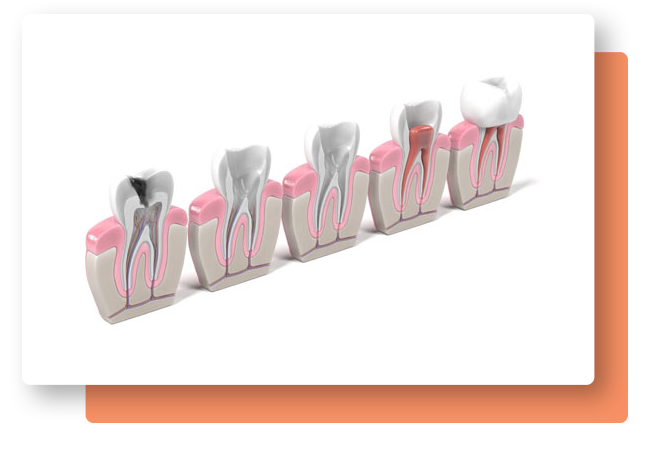
A root canal is a dental procedure that removes infected or damaged pulp from inside the tooth. The tooth is then cleaned, disinfected, and sealed to prevent further infection.
2. Is getting a root canal in Weymouth, MA painful?
Thanks to modern anesthesia and sedation options, most patients in Weymouth report little to no pain during a root canal. The procedure actually relieves the pain caused by infection.
3. How long does a root canal procedure take?
A typical root canal takes 60 to 90 minutes and may require one or two visits depending on the complexity of the tooth.
4. What are the signs you need a root canal?
Signs include persistent toothache, sensitivity to heat or cold, swollen gums, tooth discoloration, or a pimple-like bump on the gums.
5. What is the cost of a root canal in Weymouth, MA?
The cost can range from $700 to $1,500 depending on the tooth involved and the complexity. Dental insurance often covers part of the procedure.
6. Can I avoid a root canal with early treatment?
Yes, early detection of decay or cracks can allow for simpler treatments like fillings before a root canal becomes necessary.
7. Is it better to get a root canal or extract the tooth?
Preserving your natural tooth with a root canal is often the best option. Extractions may lead to shifting teeth or the need for implants or bridges.
8. How long does a root canal-treated tooth last?
With proper care, a tooth that has undergone a root canal can last a lifetime, especially if restored with a crown.
9. Do all dentists in Weymouth perform root canals?
Many general dentists offer root canals, but complex cases may be referred to an endodontist— a specialist in root canal therapy.
10. What should I do after a root canal procedure?
Avoid chewing on the treated side until fully restored, take prescribed medications, and maintain good oral hygiene. A permanent crown is usually recommended afterward.
Frequently Asked Questions (FAQs)
1. How do I know if I need a root canal in Weymouth, MA?
Persistent tooth pain, sensitivity, swelling, or visible decay are common indicators. A local dentist in Weymouth can confirm the diagnosis with an exam and X-ray.
2. Is it safe to drive after a root canal procedure?
Yes, if local anesthesia is used. If you undergo sedation, arrange for someone to drive you home.
3. Can a root canal fail?
Root canals have a high success rate, but occasionally retreatment may be necessary if infection persists or reoccurs.
4. What happens if you delay a root canal?
Delaying treatment can cause the infection to worsen, potentially leading to abscesses, tooth loss, and systemic health issues.
5. Will my insurance cover a root canal in Weymouth?
Most dental insurance plans cover a significant portion of root canal costs. Always verify with your provider beforehand.
6. Can children get root canals?
Yes, children may need a pediatric root canal if their primary teeth become infected, especially to preserve space for permanent teeth.
7. Is a crown always needed after a root canal?
In most cases, yes—especially for molars. A crown helps protect the tooth and restore full function.
8. What is the difference between a root canal and a filling?
A filling treats minor decay in the enamel, while a root canal treats deep infections inside the tooth’s pulp.
9. How can I find a reliable dentist for a root canal in Weymouth, MA?
Look for dentists with strong online reviews, credentials, and experience in endodontic therapy. Referrals from family or friends also help.
10. Are there alternatives to root canal treatment?
The main alternative is tooth extraction, which often requires a dental implant or bridge to replace the missing tooth. A root canal is typically the best way to save your natural tooth.
Final Thoughts
A root canal in Weymouth, MA isn’t something to fear—it’s a solution that can save your natural tooth and relieve intense pain caused by infection or decay. With advancements in dental technology and experienced endodontic specialists throughout Weymouth, undergoing this treatment is now more comfortable and effective than ever.
If you’re dealing with a persistent toothache or suspect an infection, don’t delay treatment. Early intervention can make all the difference.